White Papers
Electrical contactors are essential components in industrial and commercial electrical systems. They are electromechanical devices used to control the flow of electricity in circuits, primarily in high-power applications. Here's a breakdown of their features, use cases, advantages, disadvantages, and maintenance tips:
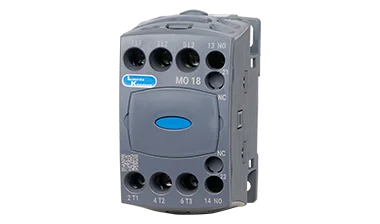
Electrical contactors consist of a coil and a set of contacts that open and close to control the flow of electrical power. When an electric current passes through the coil, it generates a magnetic field, causing the contacts to either close or open, depending on the design and purpose. Contactors are often used in conjunction with overload relays and other protective devices to ensure the safety and efficiency of electrical systems.
Here's how a contactor relay works:
While both relays and contactors are electromechanical devices, contactors are designed to handle higher currents and voltages compared to regular relays. Additionally, contactors typically have larger physical sizes and higher contact ratings to accommodate the demands of industrial and commercial applications.
Lauritz Knudsen (Formerly L&T Switchgear) offers three main types of contactors,
Power contactors are available in single pole, two pole, three pole and four pole configurations. Each category of power contactors supports a specified range of current rating. E.g., Lauritz Knudsen (Formerly L&T Switchgear) MNX three pole contactors are rated from 9A to up to 650A current while the MCX series of four pole contactors can handle up to 800A current flow.
Control contactors are used for handling complex control logics. For example, in motor control or lighting control, or for HVAC systems. Here too, the specifications of control contactors differ based on the use case. Lauritz Knudsen (Formerly L&T Switchgear) offers control contactors with AC/DC control with flexibility in selection of NO/NC combinations.
Mainly used for capacitor switching applications, these special purpose contactors are made to handle high inrush current. These contactors have damping resistors which limit the value of inrush current to a safe value. Special purpose electrical contactors are used in APFC panels for switching power contactors.
Products sold in India, including electrical contactors, must comply with the applicable BIS certification requirements to ensure safety, quality, and reliability. On the other hand, IEC certifications are also accepted which are issued by the International Electrotechnical Commission.
Apart from this, also look for RoHS compliance when buying electrical products.
RoHS stands for "Restriction of Hazardous Substances." RoHS compliance refers to adherence to a set of regulations that restrict the use of certain hazardous substances in electrical and electronic products. The purpose of RoHS regulations is to reduce the environmental impact of electronic waste (e-waste) and to protect human health by limiting exposure to hazardous materials.
By following these maintenance tips and utilizing contactors properly, you can ensure the reliable and efficient operation of industrial and commercial electrical systems.
When purchasing contactors for industrial or commercial applications, it's essential to consider various factors to ensure that you choose the right product for your specific needs. Here's a buying guide for contactors:
Looking for Electrical Contactors online? Check contactor prices online at smartshop.lntebg.com.

Rajesh R Shirodkar,
DGM-Corporate CommunicationRajesh Shirodkar is a seasoned marketing and business leader with over 20 years of experience in the automation and electrical industry, spanning marketing communications, sales, business development, and software solution selling. He has led successful brand transformation initiatives and high-impact marketing programs, including branding and account-based marketing campaigns, as well as industry events that drive visibility, engagement, and growth. With expertise in brand building, lead generation, solution selling, and sales enablement, Rajesh is known for translating technology and business offerings into compelling value propositions and delivering sustainable growth through strong stakeholder collaboration.
Assistance Required?
Select an option to Contact Us
 Contact Us

