Technical Articles
Unexpected electrical faults can stop production. They interrupt business operations and damage expensive equipment within seconds. Electrical protection devices are designed to minimise such risks. They detect abnormal conditions and isolate affected circuits quickly. Understanding how these devices work and where they are used helps improve system reliability while reducing costly downtime across residential, commercial, and industrial installations.
Many electrical failures develop gradually and show warning signs, although some faults can occur suddenly without prior indication. Sometimes a motor begins drawing more current than usual. A cable insulation fault develops slowly over time. A short circuit appears unexpectedly because moisture finds its way into an enclosure. Small electrical problems often begin quietly before becoming major interruptions.
That is exactly why protection matters.
Replacing a damaged breaker is inconvenient. Replacing an entire production line after an electrical fault is something else entirely. Well-designed protection systems are not simply there to satisfy regulations. They help keep equipment operating. These systems also reduce repair costs and allow businesses to recover from faults much more quickly.
Every electrical installation needs a way to recognise abnormal operating conditions.
That is the role of electrical protection devices.
These protective devices monitor electrical conditions continuously rather than waiting for cables, motors, transformers, or distribution equipment to overheat. When overloads, short circuits, earth faults, or other abnormal events occur, they disconnect the affected circuit before serious damage develops. Protection is not only about preventing accidents. Good electrical system protection also reduces equipment damage, improves functional reliability, and shortens the time needed to restore normal service after an unexpected electrical fault. Proper coordination between protective devices also ensures that only the affected section of the electrical system is disconnected, helping minimise disruption to the remainder of the installation.
Electrical systems encounter different kinds of faults. Hence, no single protective device can solve every problem. Instead, multiple devices work together. Each intends to respond to specific electrical conditions while supporting the general reliability of the installation.
Circuit breakers are usually the first devices people notice inside an electrical panel.
They automatically disconnect power whenever overloads or short circuits exceed safe operating limits. Most breakers can be reset once the fault has been corrected. Among the most widely used types of electrical protection devices, circuit breakers provide dependable electrical fault protection for residential, commercial, and industrial distribution systems.
Although they perform different functions, fuses and protective relays often work alongside one another. Fuses interrupt fault currents by melting a calibrated element, while protective relays detect abnormal electrical conditions and command circuit breakers to trip. Together, they form essential circuit protection devices used throughout power distribution systems.
Proper coordination between these devices helps improve fault isolation while lessening unnecessary interruptions to healthy sections of the electrical network.
Modern intelligent protection relays also provide diagnostic information, event recording, condition monitoring, and communication capabilities, enabling maintenance teams to identify developing problems before a fault occurs and integrate protection systems with supervisory monitoring platforms.
Not every electrical problem comes from overloads. Lightning strikes, switching surges, insulation failure, and earth leakage can also threaten equipment and personal safety. Surge protective devices divert transient overvoltages, while residual current devices disconnect the supply when earth leakage currents exceed a predetermined operating threshold, helping protect people and equipment from electrical hazards.
These electrical safety devices strengthen overall electrical system protection, particularly where sensitive electronic equipment or human safety requires additional levels of protection.
In applications where electrical arcing presents a fire or equipment hazard, arc fault detection devices provide an additional layer of protection. These devices identify hazardous arcing conditions that may not produce sufficient current to operate conventional overcurrent protection, helping reduce the risk of equipment damage and electrical fires.
Electrical faults are sometimes unavoidable. Downtime doesn't have to be. The real advantage of a well-designed protection system is not that it prevents every fault, but that it prevents a small problem from extending over an entire electrical installation.
Imagine a short circuit developing inside a motor control panel. If not properly protected, this fault may cause injury to cables, contactors and equipment connected to the panel before anyone can get to it. Modern surge protection devices can detect abnormal electrical conditions rapidly, ranging from milliseconds for certain fault-protection functions to longer operating times for overload protection, depending on the device type and application. Properly coordinated protection ensures that only the affected circuit is disconnected wherever practicable.
That quick response limits equipment damage, shortens repair time, and allows unaffected systems to continue operating without needless interruption.
Production machinery, transformers, drives, and distribution boards constitute substantial investments. Without protection, a single electrical fault can halt operation until repairs are made, resulting in costly delays. Electrical fault protection helps protect valuable assets by disconnecting abnormal circuits before excessive heat or high fault currents can cause significant damage to equipment and associated electrical infrastructure.
In many facilities, this protection directly supports productivity by reducing unexpected equipment failures and maintenance costs.
Downtime is rarely caused by one dramatic event. More often, it begins with a small electrical issue that develops quietly over time. Coordinated electrical system protection allows faults to remain localised instead of affecting multiple sections of the installation.
The selective operation improves overall system dependability and helps maintenance teams restore normal operation more quickly after a fault has been identified and corrected.
Installing protection devices is only one part of the solution. Long-term dependability also depends on proper design, regular inspection, testing, and selecting devices that match the electrical characteristics of the installation.
Every electrical circuit has different operating requirements. There are various protective characteristics required for lighting circuits, motor feeders, transformers, and distribution systems. Selecting the right type of electrical protection devices helps ensure that overloads, short circuits, earth faults and temporary events are managed properly.
Matching protection devices to system voltage, current rating, breaking capacity, and application significantly improves both equipment safety and functional dependability.
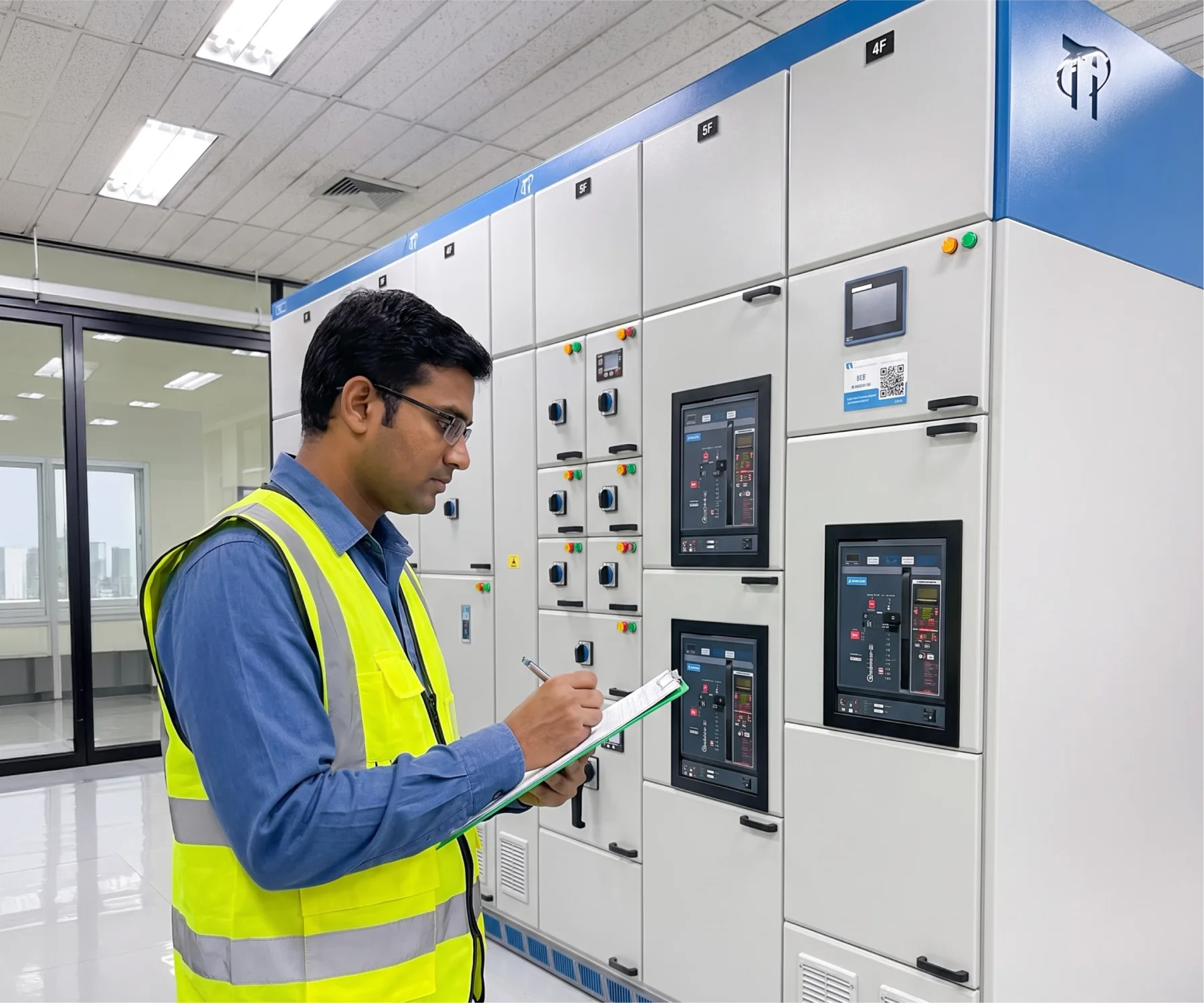
Protection devices are designed for long service life. But, they should never be forgotten after installation. Loose terminals, ageing components, environmental contamination, and mechanical wear can affect performance over time. Following electrical protection best practices includes scheduled inspections, testing protective functions, verifying settings, and replacing damaged devices whenever necessary.
Regular maintenance reduces unexpected failures and supports maintaining dependable electrical protection throughout the installation.
Electrical systems rarely remain unchanged throughout their service life. Additional machinery, higher electrical loads, or facility expansions often require updates to the protection scheme. Best practices for electrical protection include designing coordinated protection. They also include keeping precise documentation and allowing capacity for future growth.
A well-planned protection system continues to support safe operation even as the electrical system evolves over the years.
Also Read: Motor Protection Techniques Overload Short Circuit And Phase Failure
Electrical faults cannot always be avoided, but their impact can be controlled. Well-designed electrical protection devices help isolate faults quickly, minimise equipment damage, and reduce costly downtime when combined with reliable electrical safety devices. From circuit breakers and protective relays to surge protection and residual current devices, every component contributes to a safer, more dependable electrical system.
Equally important means selecting the right circuit protection devices, maintaining them regularly, and applying sound engineering practices throughout the installation.
For dependable electrical protection solutions, intelligent power distribution products, and modern industrial technologies, Lauritz Knudsen Electrical & Automation offers reliable solutions designed to strengthen operational safety, boost system reliability, and promote long-term electrical performance.
Selective coordination guarantees only the faulty circuit disconnects, allowing the rest of the electrical system to continue operating normally.
No. They minimise damage by detecting abnormal electrical conditions rapidly, but they cannot prevent failures caused by mechanical wear or poor maintenance.
Inspection and testing intervals depend on equipment type, operating environment, manufacturer recommendations, and applicable maintenance standards.
Current rating, voltage rating, fault level, breaking capacity, application type, coordination requirements, and environmental conditions should all be evaluated.
Yes. Industrial systems commonly contain sensitive electronic equipment that can be damaged by transient overvoltages caused by lightning or switching operations.

Rajesh R Shirodkar,
DGM-Corporate CommunicationRajesh Shirodkar is a seasoned marketing and business leader with over 20 years of experience in the automation and electrical industry, spanning marketing communications, sales, business development, and software solution selling. He has led successful brand transformation initiatives and high-impact marketing programs, including branding and account-based marketing campaigns, as well as industry events that drive visibility, engagement, and growth. With expertise in brand building, lead generation, solution selling, and sales enablement, Rajesh is known for translating technology and business offerings into compelling value propositions and delivering sustainable growth through strong stakeholder collaboration.

 Contact Us