Technical Articles
Smart homes are no longer a futuristic idea. From lighting and fans to security and appliances, homeowners today expect more control, more convenience, and better energy management. This is exactly where smart switches enter the picture. Yet many buyers pause at the same question: which smart switch is actually right for my home?
Let’s break this down in a practical way so the decision feels less technical and more logical.
The first thing many will want to know is what smart switches are and how they differ from regular switches. At its simplest, a smart switch will function identically to a traditional electrical switch. The distinction is one of connection and intelligence.
A smart switch itself connects directly to your home network, usually either via Wi-Fi, Zigbee or Z-Wave, in a process that allows it to relay messages between the commands from any device (like a phone app or voice assistant) and an actual light fixture. Once paired it is controlled by:
Instead of physically pressing a switch every time, you gain digital control over lighting and devices.
What this really means is simple: you move from manual operation to programmable, remote, and automated control.
Understanding how does smart switches work helps remove much of the confusion buyers face. Internally, a smart switch contains a small electronic module that communicates with your home network. When you send a command from your phone or voice assistant, that signal travels to the switch, which then turns the connected device on or off.
Behind the scenes, several things are happening:
Unlike traditional switches that simply open or close a circuit, smart switches process instructions.
Homeowners rarely adopt technology just because it is new. There are clear reasons why smart switches for home are seeing strong demand.
Convenience: Controlling lights without getting up, scheduling operations, or using voice commands quickly becomes second nature.
Energy Efficiency: Automated controls help reduce unnecessary power usage. Lights can switch off automatically based on time or occupancy.
Remote Access: Whether you are travelling or simply away from a room, you retain full control.
Integration: Smart switches can work with sensors, routines, and other smart devices.
Before choosing a device, it helps to understand the types of smart switches available in the market. Different homes, wiring systems, and usage needs often require different switch categories.
These are among the most common options. They connect directly to your Wi-Fi router without needing a separate hub.
Best suited for:
These modular switches require a compatible hub but offer strong reliability and lower network congestion.
Ideal for:
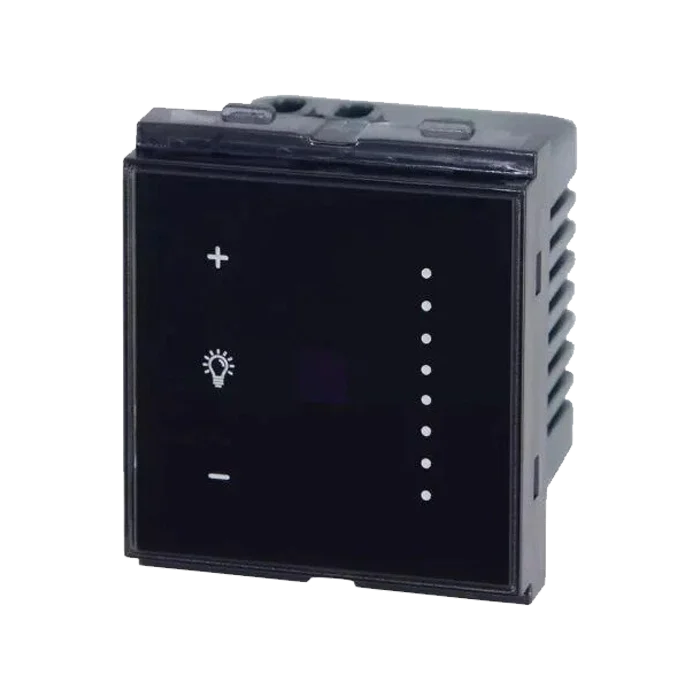
Designed for aesthetics and modern interiors, these switches replace physical buttons with touch-sensitive surfaces.
Preferred when:
These switches integrate smoothly with voice ecosystems, enabling hands-free operation.
Useful for:
Choosing blindly often leads to compatibility issues or unnecessary spending. A smarter approach is evaluating practical factors.
Not all switches work with all electrical systems. Some smart switches need a neutral wire while others are designed for older wiring.
Questions worth asking:
The switch must align with your home network and other smart devices.
Consider:
Electrical products demand strict safety compliance. Always look for certified devices tested for Indian conditions.
Reliable switches typically feature:
Not every home need advanced automation. Sometimes a basic remote-controlled switch is sufficient.
Feature-heavy models may include:
Many buyers wonder how to use a smart switch once installed. The daily experience is usually straightforward.
After setup, users can:
Over time, most households find themselves using automation more than manual control.
The phrase install smart switch sounds simple, but installation depends on wiring complexity and switch type.
Two common scenarios:
Professional installation is often recommended for safety and reliability.
Once users understand how to use a smart switch, automation becomes the next logical step.
Examples include:
Automation shifts your home from reactive to proactive.
Choosing smart switches without proper evaluation often leads to frustration.
Avoid these pitfalls:
Also Read: Safety Tips for Installing and Using Switches & Sockets
Smart switches are not just about technology upgrades. They represent a shift toward better control, improved efficiency, and a more responsive home environment. The right choice depends less on trends and more on wiring compatibility, safety standards, and actual usage needs.
When evaluated carefully, a well-selected smart electrical switch can quietly enhance daily living without adding complexity.
Smart switches link to a network and can be controlled digitally via apps or voice assistants. While classic switches require manual use, there are also numerous smart switch options that can be automated and scheduled as well as providing remote access. The primary benefit is the "one up" function on the device, not power on/off.
A smart switch connects to your home network through a wireless protocol. You give a command via an app or voice assistant; the switch gets the signal and toggles the electrical circuit. Internal communications are performed by the electronics, while the switching component controls power.
In many cases, yes. Installing smart switch is working with electricity that steps need to be taken carefully. Aside from that, homeowners who do not have neutral wiring or homes with complicated circuits could really use a professional help. Correct mounting is also essential for safety and proper machine function.
Users often manage switches through a mobile-phone app. You can control your devices remotely, schedule the timers and even use voice commands. Automation routines also become easier for tasks like turning lights on and off automatically at certain times.
Compatibility depends on wiring. There are smart switches that need neutrals and there are ones made for retrofit solutions. “Pretesting wiring before buying helps prevent issues being encountered with the installation. Some manufacturers now also provide solution for old electric systems.
Assistance Required?
Select an option to Contact Us
 Contact Us

