Technical Articles
No headings found on this page.
Smart switches combine traditional electrical control with modern connectivity, allowing users to operate lights, fans, and appliances through apps, voice assistants, timers, or automation routines. This blog explains what smart switches are, how they work, their different types, installation process, and applications. It also highlights how smart switches improve convenience, energy efficiency, and control in homes, offices, hotels, and commercial buildings.
The idea of controlling a light from a phone felt unnecessary a few years ago. After all, the switch was already on the wall. Why add complexity to something so simple?
Then habits started changing.
People became comfortable using apps to control televisions, air conditioners, security cameras, and even door locks. Naturally, expectations around electrical systems began to change as well. Convenience became a priority. So did energy efficiency.
Today, smart switches are appearing in homes, offices, hotels, and commercial buildings of all sizes. Some people install them for automation. Others simply want greater control over their electrical devices. Whatever the reason, this technology is becoming increasingly common. Understanding how it works can help explain why so many property owners are making the switch.
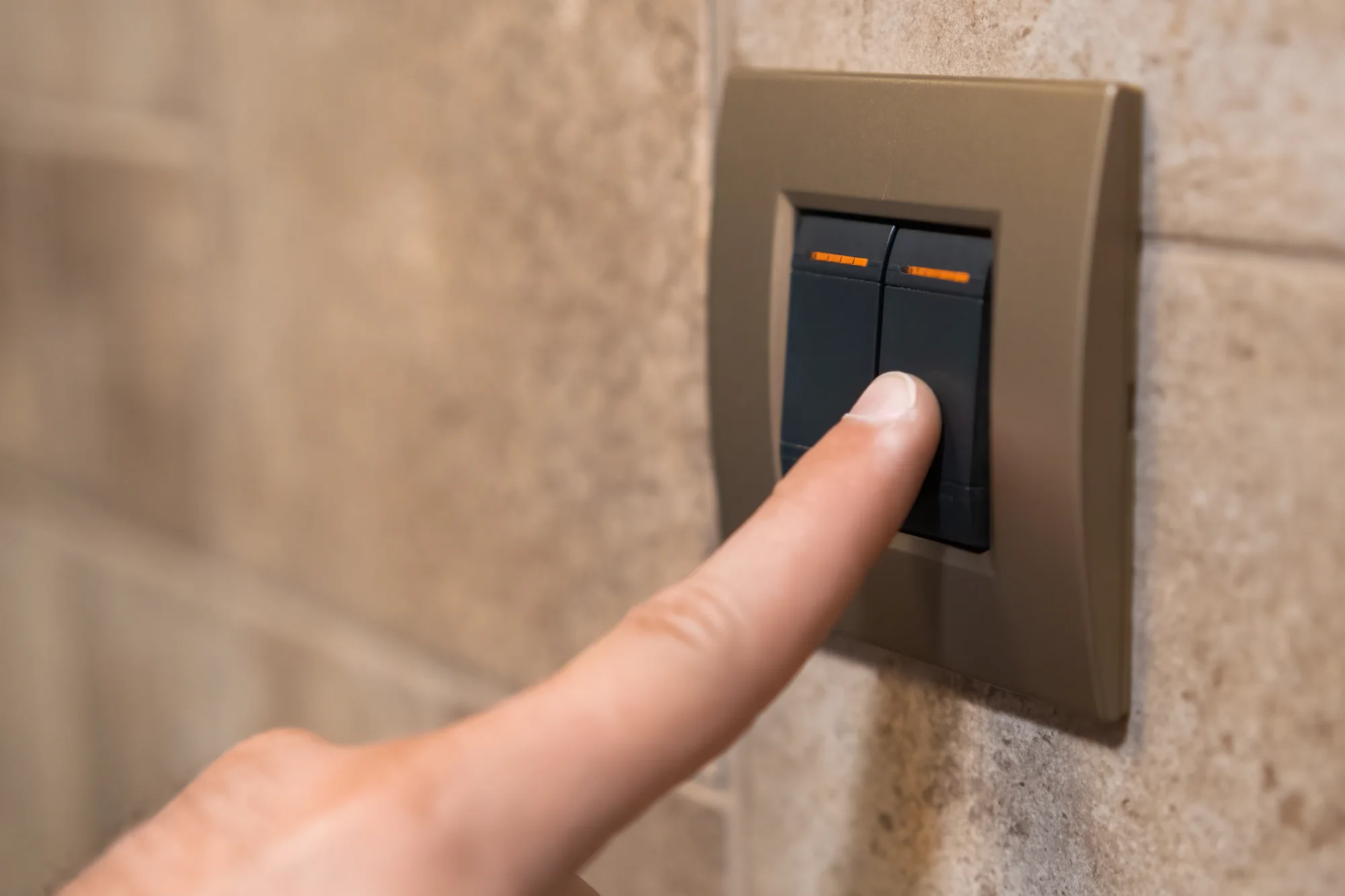
Walk into a modern home and you might notice something interesting. The switch panel looks familiar. But it does much more than simply turn a light on or off. This is essentially the answer to what is smart switch technology.
At its heart, a smart switch performs the same function as a conventional switch. It controls electrical loads within its rated capacity, and compatibility must be checked for high-power or inductive loads such as motors and air conditioners. The difference is that it can receive commands from multiple sources. A modular switch can respond to a mobile application, a timer, a voice assistant, or even a motion sensor.
People often expect a complicated technical explanation. What is a Smart Switch? However, the concept is fairly practical. It simply provides more ways to control connected devices while supplying convenience and flexibility to everyday electrical usage.
Many homeowners start with one or two smart switches and slowly expand as they discover the benefits.
At first glance, a smart switch doesn't seem very different from a standard one. The intelligence is hidden inside. Small electronic components, communication modules, and software work together to make the switch responsive to different kinds of commands.
Understanding how does smart switch work starts with understanding commands. Every action begins when the switch receives an instruction. That instruction might come from a touch panel, a smartphone app, a voice assistant, or a scheduled automation. The switch processes the command and controls the connected load accordingly.
Most smart switches communicate through wireless technologies. These include Wi-Fi, Bluetooth, and mesh-based protocols such as Zigbee or Z-Wave, depending on the system. This communication allows users to control devices remotely, while some systems also support cloud connectivity and local automation.
Smart switches have become popular due to automation. Users can create schedules and routines instead of manually controlling devices every day. For example, outdoor lighting can turn on automatically at sunset and switch off later at night without any human involvement.
Modern smart switches rarely work in isolation. They often interact with sensors, voice assistants, and home automation systems, sometimes through a central hub or gateway depending on the technology used. This creates a connected environment where multiple devices respond together based on predefined conditions or user preferences.
Not every smart switch is designed for the same purpose. Some focus on convenience, some on automation, and others on energy management. Knowing the available types of smart switches makes it easier to choose the right option for a particular application.
Single-touch switches are often the first option for homeowners entering the world of smart automation. They combine familiar operations with advanced functionality. Users can control devices manually while also accessing remote and automated features whenever needed.
Staircases, corridors, and storerooms are places where lights are frequently left on unintentionally. These switches typically use PIR sensors to detect changes in infrared radiation caused by human movement and automatically control connected loads. This improves convenience while helping reduce unnecessary energy consumption.
Lighting requirements change throughout the day. Bright illumination may be useful while working, whereas softer lighting often creates a more comfortable atmosphere in the evening. Dimmer smart switches allow users to adjust brightness levels, but they must be used with compatible dimmable loads such as supported LED or incandescent lighting.
Modern interiors often favour clean and simple designs. Multi-touch switches help achieve that look by combining multiple controls within a single panel. Instead of installing several separate switches, users gain access to different circuits through one elegant interface.
Some electrical loads operate on predictable schedules. Garden lights, water pumps, and signage systems are common examples. Timer smart switches automate these repetitive tasks and help ensure equipment runs only when required.
Wi-Fi-enabled models are quite popular among the different types of smart switches. They connect directly to existing wireless networks. This makes installation relatively straightforward. Also, it provides convenient remote access through mobile applications.
Many people expect a learning curve when they purchase their first smart switch. Usually, there isn't one. Most systems are designed to feel familiar while gradually introducing advanced functionality.
Learning how to use smart switch technology frequently starts with the simplest approach. Users operate the switch exactly as they would a conventional one. This familiarity makes the transition comfortable and helps build confidence with the new system.
Additional features become available after the application is installed. Users can control devices remotely. They can also monitor status and organise multiple switches from a single interface. This quickly becomes the preferred method of control among households.
Automation is where many users discover the greatest value. Morning schedules, bedtime routines, and occupancy-based controls can eliminate repetitive daily tasks. Small conveniences often add up to clear advancements in comfort.
Voice assistants bring another degree of convenience. After spending some time learning how to use smart switch systems through voice commands, many people find themselves using the feature far more often than expected.
Electrical work should always be approached carefully. Installation procedures vary by manufacturer. However, the overall process follows a similar sequence. Anyone unfamiliar with electrical wiring should consult a qualified electrician before proceeding.
Before discussing installation, safety must come first. The appropriate circuit breaker should be turned off and the circuit should be verified using a tester before any wiring work begins. This helps minimise the risk of electric shock. In commercial and industrial environments, lockout/tagout procedures should also be followed where applicable.
The old switch is carefully removed after power isolation. Many electricians take a quick photograph of the existing wiring arrangement before disconnecting conductors. It is an easy step that often proves useful later.
Understanding how to install smart switch systems also involves following the manufacturer's instructions carefully. Most smart switches require a neutral connection for operation, although some models are designed to work without a neutral depending on the wiring system. Depending on the model, terminals may include line, load, neutral, and earth connections. Proper wiring is vital for reliable operation.
After restoring power, the switch is connected to the relevant application or smart platform. Users should verify manual operation, connectivity, automation functions, and overall performance before considering the installation complete.
The appeal of smart switches extends well beyond residential environments. Their flexibility permits them to serve a wide range of applications in which convenience, efficiency, and centralised control are important.
Homeowners use smart switches to control lighting, fans, appliances, and decorative systems. Remote access and automation make everyday operation easier. It also helps improve energy management.
Modern offices often use smart switches to automate lighting schedules and manage meeting rooms. Centralised control can simplify facility management. It also decreases unnecessary energy consumption.
Hotels progressively rely on automation to improve guest experiences. Smart switches allow rooms to operate more efficiently as maintaining comfort as well as convenience for occupants.
Schools, universities, clinics, and hospitals often manage large numbers of electrical loads. Smart switching systems help improve operations through scheduling, automation, and centralised monitoring capabilities.
Also Read: From Switches to Systems: The Evolution of Home Automation
The popularity of smart switches is not driven by technology alone. It is driven by practicality.
People want greater control over their electrical systems. They want convenience, flexibility, and improved efficiency. Smart switches provide all three. Also, they are easy to operate and progressively accessible.
Smart switches offer advantages that traditional switches simply cannot equal. Their role is likely to become even more significant with homes and buildings becoming more connected.
Lauritz Knudsen Electrical & Automation offers innovative switching products like the enConnect series of WiFi switches. These are designed to support smarter, safer, and more efficient living and working environments.
Yes. Many smart switches work independently through mobile applications and do not require a complete home automation setup.
Smart switches consume a small but continuous standby power, especially Wi-Fi-enabled models. However, automation features such as schedules, occupancy control, and remote management can help reduce overall energy usage.
Many models can control fans, but dedicated fan-rated smart switches are required, especially for speed control. Standard lighting smart switches should not be used for fan speed regulation unless specifically designed for that purpose.
Offices, retail spaces, hotels, and institutions frequently use smart switches. They offer improved control and energy management.
Users should consider wiring compatibility, communication technology, load requirements, automation features, and integration options with existing devices.

Rajesh R Shirodkar,
DGM-Corporate CommunicationRajesh Shirodkar is a seasoned marketing and business leader with over 20 years of experience in the automation and electrical industry, spanning marketing communications, sales, business development, and software solution selling. He has led successful brand transformation initiatives and high-impact marketing programs, including branding and account-based marketing campaigns, as well as industry events that drive visibility, engagement, and growth. With expertise in brand building, lead generation, solution selling, and sales enablement, Rajesh is known for translating technology and business offerings into compelling value propositions and delivering sustainable growth through strong stakeholder collaboration.
Assistance Required?
Select an option to Contact Us

 Contact Us

