Technical Articles
Electric fuses are essential protection devices. They safeguard electrical circuits and equipment from excessive current and fault conditions. They prevent damage to cables, motors, transformers, and other assets by intentionally melting when current exceeds safe limits. This guide explains what electric fuses are, their working principle, major types, functions, and applications, highlighting their critical role in improving electrical safety, reliability, and system protection.
Ask any electrician what the critical protection component inside an electrical system is, and there's a good chance fuses will enter the conversation. Nobody installs a fuse and admires it afterwards. In fact, most people forget it exists until a machine suddenly stops working or a circuit goes dead.
That's usually when the investigation starts.
The interesting thing about fuses is that they spend most of their lives doing absolutely nothing. They are simply waiting. Monitoring current. Standing by for the moment, something goes wrong. And when that moment arrives, they operate under fault conditions without hesitation.
A blown fuse is often seen as a problem. However, it's usually evidence that the fuse did exactly what it was supposed to do. It protected something far more expensive from damage.
Years ago, protection systems were far less sophisticated than they are today. Yet engineers still needed a dependable way to stop excessive current from damaging equipment. An electric fuse is a sacrificial overcurrent protection device designed to interrupt excessive current by melting its calibrated element when current exceeds a predefined limit.
Inside a fuse is a carefully selected metal element that melts under abnormal current conditions. Once the element melts, the circuit opens, interrupting current flow and protecting downstream equipment from damage. Think of it like a safety valve. The fuse absorbs fault energy before it reaches cables, motors, transformers, and control equipment.
Walk through three different electrical installations, and you will probably find three different fuse designs. That's not an accident. Protection requirements vary enormously depending on voltage levels, fault currents, and equipment characteristics. The fuse protecting a household appliance has very little in common with the one protecting a distribution transformer.
DC fuses require enhanced arc-quenching methods, such as longer fusible elements and filler materials, because direct current does not naturally pass through a current zero-crossing. They are widely used in battery energy storage systems, solar PV installations, electric vehicles, and industrial DC systems.
AC fuses benefit from the natural current zero-crossing of alternating current, which assists in extinguishing the electrical arc after the fuse element melts. This makes arc interruption simpler than in equivalent DC applications.
Among the major types of fuses, high-voltage designs are built for serious electrical duty. These devices protect transformers, substations, and industrial distribution equipment where fault levels can become extremely high. Their construction allows them to interrupt powerful fault currents safely while minimising damage to surrounding infrastructure.
High-voltage fuses are further classified into the following three categories.
Expulsion fuses are widely used in outdoor overhead distribution systems to protect transformers, feeders, and distribution lines. During a fault, gases generated inside the fuse help extinguish the electrical arc, allowing safe interruption of fault current while providing a visible indication after operation.
HRC fuses are designed to interrupt very high fault currents safely without damaging surrounding equipment. They contain a calibrated fuse element enclosed within a sealed body filled with silica sand, which efficiently quenches the arc and provides dependable protection in industrial electrical systems.
Current limiting fuses interrupt fault currents before they reach their maximum prospective value. By rapidly clearing faults, they reduce the thermal energy (I²t) and mechanical stress imposed on cables, transformers, switchgear, and other electrical equipment, improving overall system protection and reliability.
Most people interact with low-voltage fuse protection without realising it. These fuses are used extensively in buildings, equipment, appliances, and control systems. Despite operating at lower voltage levels, they perform exactly the same protective function. Low-voltage fuses are of the following types.
Drop-out fuses are externally mounted expulsion-type fuses used in overhead distribution systems, where the fuse element drops visibly upon operation. This visible indication allows maintenance personnel to identify the operated fuse quickly.
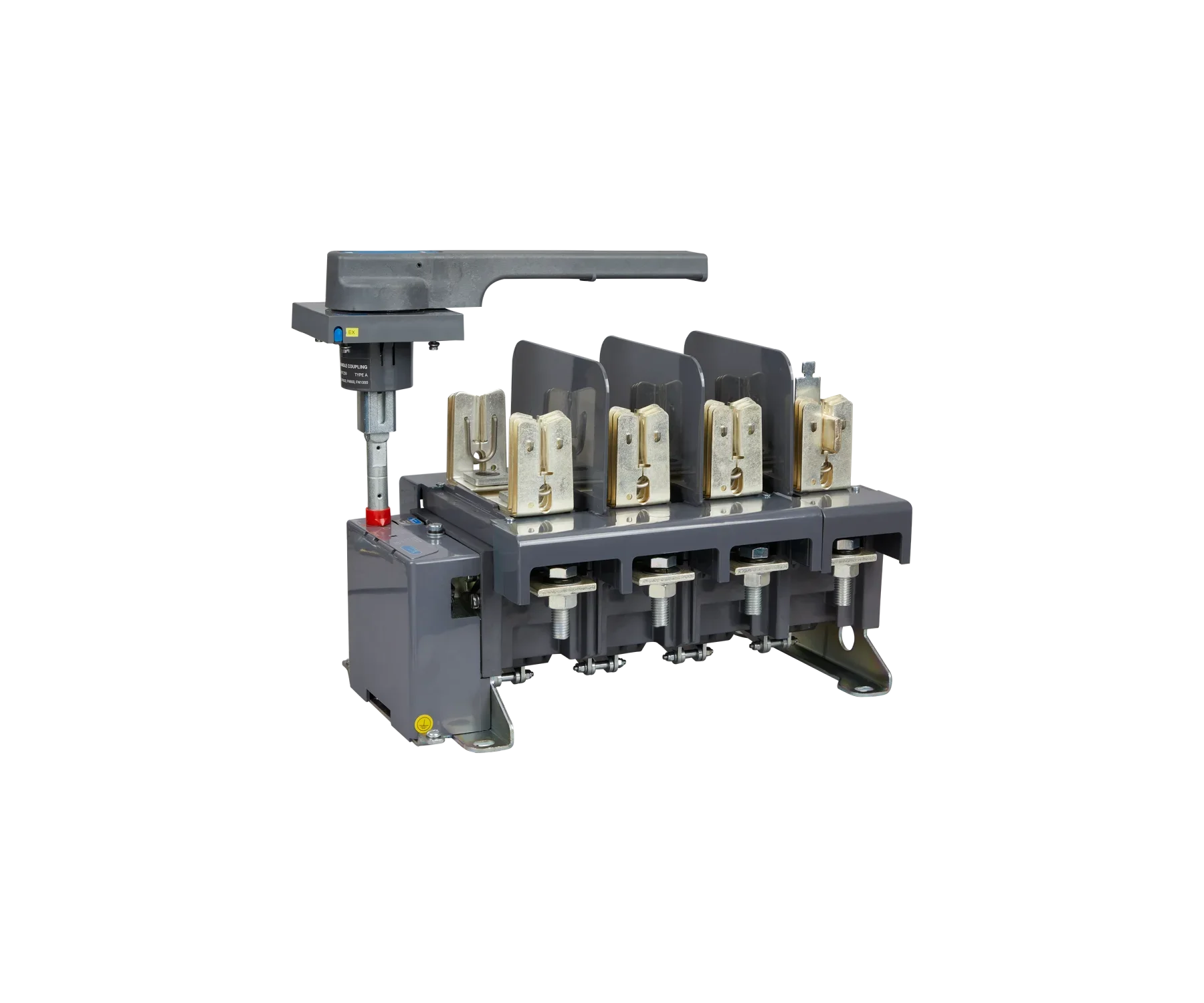
Some installations need both protection and isolation. Switch fuses combine these functions into one assembly. Operators can disconnect equipment safely while retaining fuse-based fault protection, making them particularly useful in industrial applications.
Striker-type fuses include a mechanical indicator or actuator that operates auxiliary contacts or relays when the fuse blows, enabling protection coordination.
Among traditional types of fuses, rewirable versions remain familiar to many electricians.
They're simple. Economical. Easy to understand. Although cartridge designs dominate modern installations, rewirable fuses continue to exist in older systems where their straightforward construction remains appreciated.
Cartridge fuses consist of a sealed cylindrical body filled with arc-quenching material (such as silica sand) to safely interrupt fault currents. They are widely used in switchboards, distribution panels, and motor control centres. Cartridge-type LV fuses are of two types- Link and D-Type.
Link-type fuses allow replacement of the fuse element without replacing the entire assembly. For maintenance personnel working in industrial facilities, that can be a practical advantage. Simpler maintenance often means shorter downtime.
D-type fuses are familiar in many traditional installations. One useful feature is that they help prevent incorrect replacement. The holder design generally allows only compatible fuse ratings to be installed, reducing the chance of accidental protection mismatches. D-Type fuses are of two types.
Low-voltage HRC (High Rupturing Capacity) fuses are designed to safely interrupt high fault currents in electrical distribution systems. They feature a sealed ceramic body filled with silica sand, which effectively quenches the arc during operation. These fuses are widely used in switchboards, motor control centres, distribution panels, and industrial installations requiring reliable overcurrent protection.
The easiest answer is that they protect circuits. But that explanation barely scratches the surface.
One major function of fuse protection is to prevent electrical conductors from overheating. Fuses protect conductors by limiting thermal and mechanical stress caused by overcurrent conditions, ensuring compliance with cable current-carrying capacity.
Motors, drives, transformers, and electronic systems are expensive. Very expensive, in some cases. Fuses help shield these assets from fault currents that could otherwise cause significant damage. That's one reason the function of fuse remains so important even in highly modern installations.
Many electrical fires begin with overheated conductors or fault conditions that remain unchecked. Fuses reduce that risk by disconnecting circuits before excessive temperatures develop.
Electrical faults rarely improve on their own. Protection devices help contain them. Rather than allowing one fault to affect an entire installation, fuses isolate the problem area and simplify troubleshooting efforts.
Despite all the engineering that goes into modern protection systems, fuse operation remains beautifully simple. No software. No programming. Just physics.
The operation of a fuse is based on Joule heating (I²R principle), where the heat generated is proportional to the square of the current flowing through the fuse element. When the generated thermal energy exceeds the material's melting point, the fuse element melts and interrupts the circuit.
Every fuse element has a designed operating threshold. When current exceeds that threshold long enough, the metal heats to its melting point. The conductor breaks apart and current flow stops.
During operation, the electrical arc is extinguished using arc-quenching mediums such as silica sand in HRC fuses. These materials absorb energy, cool the arc plasma, and safely interrupt current flow.
Once interruption is complete, the faulted circuit becomes electrically isolated until the fuse is replaced.
Electrical protection isn't limited to one industry or one type of installation. It's everywhere.
A common application of fuse technology remains household electrical protection. Although circuit breakers dominate many modern installations, fuses continue protecting appliances and specific circuits in numerous residential environments.
Factories depend on reliable protection. Production equipment, motors, transformers, and control systems all benefit from fuse-based fault protection that helps minimize damage and downtime.
Sensitive electronics often require fast-acting protection. Small fuses help safeguard delicate circuits from excessive current, preventing failures that could otherwise damage critical components.
Another important application of fuse protection can be found outdoors. Distribution transformers, feeders, and utility infrastructure frequently rely on specialized fuse systems capable of interrupting substantial fault currents safely.
Fuses are widely used in solar photovoltaic (PV) systems to protect DC strings, combiner boxes, and inverters from overcurrent and short-circuit faults. Specially designed DC fuses safely interrupt continuous direct current, helping improve system reliability and protect expensive solar equipment.
Electric vehicles use high-performance fuses to protect battery packs, power distribution units, charging circuits, and traction systems against excessive current. These fuses quickly isolate fault conditions, reducing the risk of equipment damage, electrical hazards, and costly battery failures.
Data centres rely on fast-acting semiconductor fuses to protect sensitive power electronics, UPS systems, servers, and power distribution equipment. Their rapid fault-clearing capability limits thermal and electrical stress, helping maintain uninterrupted operation while protecting critical digital infrastructure from damage.
When selecting a fuse, engineers consider several important performance parameters:
Fuse design, testing, and application are governed by internationally recognised standards, including:
Also Read: What is a Circuit Breaker? A Complete Guide
Whether you're learning what is electric fuse technology for the first time or trying to understand what do fuses do in modern installations, the answer always comes back to protection. Fuses prevent damage, improve safety, and help keep electrical systems operating reliably across countless applications.
Lauritz Knudsen Electrical & Automation continues to support modern electrical infrastructure with a broad portfolio of protection devices, switchgear solutions, control equipment, switches, sockets, and power distribution products designed to enhance safety, reliability, and operational performance across residential, commercial, and industrial environments.
A fuse may operate due to temporary overload conditions, thermal ageing of the fuse element, loose electrical connections causing localized heating, or incorrect fuse rating selection. Investigating the root cause before replacing the fuse helps prevent repeated failures.
Yes. Fuse characteristics such as speed, construction, voltage rating, and application category can influence performance.
They offer high fault interruption capability and perform reliably in applications where fault currents may be significant.
Some specialized fuse arrangements may assist with protection, but dedicated surge protection devices are generally required for lightning-related events.
Periodic inspections are recommended to verify correct ratings, secure connections, and overall condition of fuse holders and associated equipment.

Rajesh R Shirodkar,
DGM-Corporate CommunicationRajesh Shirodkar is a seasoned marketing and business leader with over 20 years of experience in the automation and electrical industry, spanning marketing communications, sales, business development, and software solution selling. He has led successful brand transformation initiatives and high-impact marketing programs, including branding and account-based marketing campaigns, as well as industry events that drive visibility, engagement, and growth. With expertise in brand building, lead generation, solution selling, and sales enablement, Rajesh is known for translating technology and business offerings into compelling value propositions and delivering sustainable growth through strong stakeholder collaboration.
Assistance Required?
Select an option to Contact Us

 Contact Us

