Technical Articles
No headings found on this page.
In modern industries, automation and monitoring are essential for safe and efficient operations. This is where what is SCADA becomes an important question. SCADA systems allow industries to monitor, control, and analyze equipment performance in real time.
The SCADA full form is Supervisory Control and Data Acquisition. It describes its role in supervision and data management. The concept of SCADA supervisory control and data acquisition focuses on collecting real-time information and enabling remote control of industrial systems. SCADA technology improves reliability, reduces manual effort, and ensures efficient operations. It plays a major role in industries like power generation, manufacturing, and water management systems worldwide today.
To understand what is SCADA system, it is an industrial automation system used to monitor, collect, and control data from equipment and processes. It acts as a bridge between physical machinery and operators, allowing centralized monitoring and control. The SCADA full form explains its purpose clearly, as it supervises operations and acquires data continuously.
The concept of SCADA supervisory control and data acquisition enables industries to observe equipment conditions and respond quickly to faults. SCADA systems collect information from sensors, controllers, and devices. This data is displayed on monitoring screens, helping operators make informed decisions.
Industries use SCADA because it improves safety and operational efficiency. It allows remote control, data analysis, and fault detection. Understanding what is SCADA helps industries automate operations, reduce downtime, and maintain reliable system performance across industrial and infrastructure environments safely and efficiently worldwide today.
Understanding how SCADA works in power system helps explain its importance in electrical monitoring. SCADA systems collect data from substations and equipment. They monitor voltage, current, and system conditions. This allows operators to control power systems safely. The function of SCADA ensures reliable monitoring and efficient operation in electrical networks.
SCADA systems collect data from sensors and electrical equipment installed in substations and transmission lines. The collected information is transmitted to control systems. This process explains how SCADA works in power system. Accurate data collection ensures operators understand system conditions. This supports the proper function of SCADA, helping maintain electrical stability, prevent failures, and ensure safe power distribution across electrical networks.
Once data is collected, it is transmitted to control centers through communication networks. These networks ensure reliable information transfer. Communication allows operators to monitor systems remotely. This explains how SCADA supervisory control and data acquisition operates effectively. Reliable communication improves system reliability. This process supports real-time monitoring. This ensures safe electrical operation. Communication networks play a key role in ensuring reliable SCADA system performance in electrical and industrial environments.
SCADA systems display collected data on monitoring screens. Operators can view system performance in real time. This visualization improves decision-making. Operators can detect faults quickly. This explains what is SCADA system in practical applications. Monitoring improves system safety. Visual data helps operators understand system conditions. Real-time monitoring supports reliable operation. SCADA systems help maintain efficient electrical system performance and prevent failures through constant monitoring and control.
SCADA systems allow operators to control equipment remotely. Operators can switch devices on or off. This improves safety and efficiency. Remote control is an important function of SCADA. This capability improves system reliability. Primary fault detection and interruption are handled by protective relays, breakers, and IEDs (at the substation/process level).
SCADA collects alarms/events, visualizes status, timestamps, and can trigger operator-driven actions or automated high-level sequences, but it is not the primary protection layer.
Control systems ensure stable operation. This explains how SCADA works in power system by allowing operators to respond quickly and maintain reliable electrical system performance safely.
SCADA comprises:
These components work together to collect and process data. Each part plays an important role in system performance. Understanding SCADA components helps explain system operation and reliability in industrial automation and electrical monitoring environments safely worldwide.
Sensors collect real-time data from equipment. They measure temperature, pressure, and electrical conditions. This data helps operators monitor systems. Sensors are essential SCADA components. Accurate data collection improves system reliability. Sensors help detect faults early. This improves system safety. Field devices ensure proper monitoring. These devices support industrial automation and reliable system operation in power and industrial environments worldwide today safely and efficiently.
Remote Terminal Units and PLCs process data from sensors. They send information to control systems. These devices allow automated control. They improve system efficiency. These controllers support SCADA supervisory control and data acquisition. They allow reliable system monitoring. Controllers help maintain system stability. These devices are important SCADA components used in automation systems and industrial monitoring environments worldwide safely.
SCADA software displays system information visually. Operators can monitor and control equipment. This software supports automation. Monitoring screens help detect problems. This software explains what is SCADA system in practice. Visualization improves decision-making. SCADA software ensures reliable system operation. This software supports automation and improves industrial system efficiency and safety across industrial environments worldwide safely and efficiently today.
Communication systems connect devices and control centers. They transmit system data. Reliable communication improves system performance. Communication networks support how SCADA works in power system. These networks ensure accurate data transfer. Communication improves monitoring. Reliable communication ensures system stability. Communication systems play an important role in ensuring reliable SCADA system operation across electrical and industrial automation environments worldwide safely.
The main features of SCADA include real-time monitoring, remote control, and data analysis. These capabilities improve system efficiency. Understanding the features of SCADA helps explain its importance in automation. These systems improve safety, monitoring, and control in industrial and electrical environments safely and efficiently worldwide today.
Real-time monitoring allows operators to view system conditions instantly. This improves safety. Operators can detect faults quickly. Monitoring improves system reliability. Real-time monitoring is one of the main features of SCADA. This helps prevent system failures. Continuous monitoring ensures efficient system operation. Real-time monitoring supports reliable performance in power and industrial automation environments worldwide safely and efficiently today.
Operators issue remote commands through SCADA to PLCs/RTUs/IEDs, which then execute the commands on field devices (breakers/valves/motors). SCADA is the supervisory interface; actuation happens at the controller/device level.
This improves safety. Operators do not need physical access. Remote control improves system efficiency. This is an important function of SCADA. Remote control improves automation. This ensures safe system operation. Remote control capability supports reliable automation and efficient system management across industrial environments worldwide safely.
SCADA systems record system data for analysis. This helps identify trends. Data analysis improves decision-making. Historical data helps detect faults early. Data analysis is among the key features of SCADA. Data improves system efficiency. This ensures reliable performance. Data recording supports industrial automation and improves system safety and efficiency worldwide safely and efficiently.
There are different types of SCADA systems designed for various applications. These systems include basic, distributed, and networked systems. Understanding the types of SCADA helps industries choose the right solution. Each system provides automation, monitoring, and control capabilities to support industrial operations safely worldwide efficiently.
Modern practice also includes Web/Cloud/IoT-enabled SCADA (hosted HMIs, MQTT/AMQP telemetry, edge gateways). Consider adding this as a fourth contemporary class for completeness.
Monolithic systems are early SCADA systems. These systems operate independently. They have limited communication capabilities. These systems explain early example of SCADA technology. They provide basic monitoring. These systems support automation. Monolithic systems played an important role in early industrial automation development and system monitoring worldwide safely.
Distributed SCADA systems use multiple control systems. These systems improve reliability. Distributed control improves system performance. These systems are among modern types of SCADA used today. These systems improve monitoring. Distributed systems support industrial automation and reliable system operation worldwide safely.
Networked SCADA systems allow system communication. These systems improve efficiency. These systems allow remote monitoring. Networked systems improve system performance. These systems are advanced types of SCADA systems. These systems support modern industrial automation and efficient system management worldwide safely.
The main benefits of SCADA include improved monitoring, automation, and system reliability. These systems improve efficiency. Understanding the benefits of SCADA helps industries improve operations. SCADA systems improve safety and automation across industrial environments worldwide safely and efficiently today.
SCADA systems improve operational efficiency. Automation reduces manual effort. Operators can monitor systems easily. This improves system performance. Efficiency improvement is one of the major benefits of SCADA. This improves productivity. Efficient monitoring ensures reliable operation in industrial automation systems worldwide safely.
SCADA systems improve system reliability. Fault detection improves system safety. Monitoring improves system performance. Reliable monitoring supports automation. Reliability improvement explains the major function of SCADA. Reliable systems ensure safe operation. Reliable monitoring improves system safety worldwide safely.
There are many SCADA applications across industries. SCADA systems are used in power systems, manufacturing, and water management. Understanding SCADA applications helps explain system importance. These systems support automation and monitoring across industrial environments worldwide safely.
SCADA systems monitor power systems. These systems improve safety. Monitoring improves system performance. Power system monitoring is an important example of SCADA. SCADA improves electrical system reliability worldwide safely.
SCADA supports industrial automation. Automation improves system efficiency. Automation reduces manual effort. Automation improves performance. Industrial automation is among key SCADA applications worldwide safely.
Also Read: The Role of Power Factor in Power Quality and Energy Efficiency
SCADA systems play an important role in modern industrial automation and monitoring. Understanding what is SCADA system, its components, and its applications helps industries improve efficiency and safety. These systems improve monitoring, automation, and system performance.
The concept of SCADA supervisory control and data acquisition supports reliable monitoring and automation. SCADA systems ensure efficient industrial operations. Industries use SCADA systems for safe and reliable monitoring.
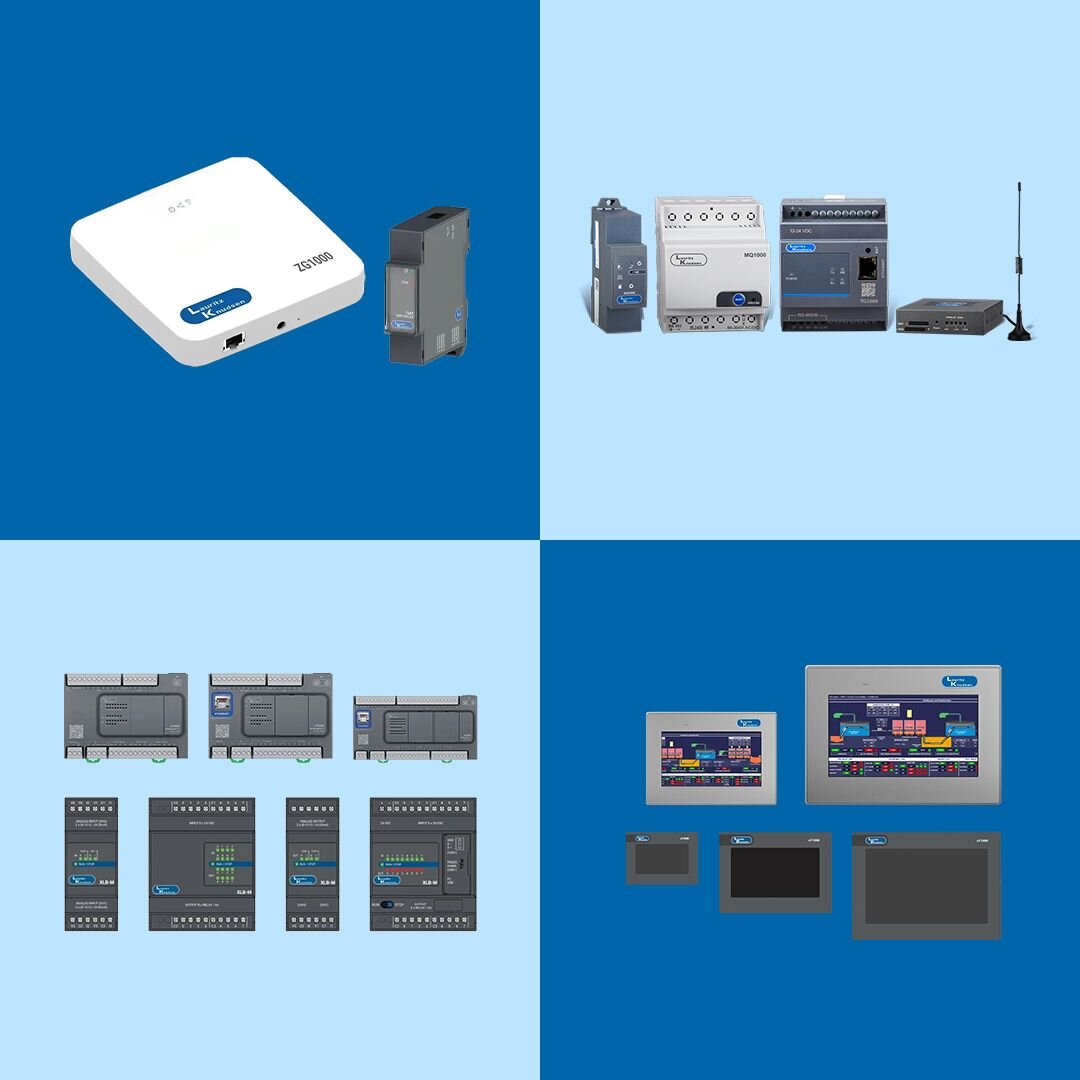
For advanced automation and monitoring solutions, industries can explore reliable automation technologies and solutions available through Lauritz Knudsen Electrical & Automation to ensure safe, efficient, and reliable industrial operations worldwide today.
SCADA systems are used in power, manufacturing, water treatment, and oil industries. These systems improve automation and monitoring. They help improve system safety and efficiency.
Yes, SCADA systems allow remote monitoring and control. Operators can monitor systems from control centers safely.
SCADA is widely used in automation. It monitors processes in real time and provides supervisory control through PLCs and RTUs.
It allows operators to supervise equipment, reduce manual intervention, improve accuracy, and ensure reliable system performance safely.
SCADA is important because it provides real-time monitoring, remote control, and fault detection. It helps industries maintain efficiency, prevent failures, improve safety, and ensure smooth operation.
A common example of SCADA is power grid monitoring, where operators track voltage, current, and equipment status. It helps control substations, detect faults, and maintain reliable electricity supply safely.
Assistance Required?
Select an option to Contact Us
 Contact Us

