Technical Articles
No headings found on this page.
Electrical maintenance begins with one simple priority- making sure equipment is completely de-energised before anyone works on it. That is exactly where an electrical isolator plays an important role. This guide explains what an isolator is, its operating principle, common types, and why it remains an essential safety device in electrical installations.
Open almost any electrical switchboard, and several devices will be sitting side by side.
At first glance, they all seem to do the same thing. Some switch power on and off. Others provide protection during a fault. Then there is the isolator. It is a device that often receives far less attention, even though maintenance teams depend on it every day.
Before anyone replaces a cable, services a motor, or inspects a transformer, the first question is not whether the equipment works. The first question is whether it has been safely isolated from the electrical supply.
That simple step prevents countless electrical accidents.
People often ask, what is isolator in electrical systems, especially when looking inside substations or industrial switchboards.
An electrical isolator is a mechanical switching device designed to disconnect a circuit completely from its power source so maintenance or inspection can be carried out safely. Unlike a circuit breaker, an isolator is not intended to interrupt normal load current or fault current. It should be operated only after the circuit has been de-energised by an appropriate switching or protective device, although some specialised disconnectors are designed to switch limited charging or capacitive currents under specified conditions. Its main purpose is to provide a verified means of circuit isolation, often through visible contact separation or a positively indicated disconnected position, so maintenance personnel can confirm that the circuit has been safely isolated before work begins.
Compare isolators and circuit breakers to understand when and where each is used.
| Feature | Isolator | Circuit Breaker |
|---|---|---|
| Primary function | Provides circuit isolation | Provides protection and switching |
| Operation | Operated under de-energised or no-load conditions | Can interrupt normal load current and fault current |
| Fault protection | No | Yes |
| Automatic operation | No | Yes |
| Typical use | Safe maintenance and isolation | Fault protection, switching, and system control |
Different electrical systems require different isolation methods. Voltage level, installation layout, maintenance requirements, and available space all influence which isolator design is selected. Although every design performs the same basic task, each is intended for a particular operating environment.
These are among the most commonly used isolator designs in power systems.
A single-break unit creates one visible opening in each pole. In contrast, a double-break design produces two openings, improving insulation distance and reducing electrical stress. Among the common types of isolator, both designs are widely used depending on system voltage, insulation requirements, and switching arrangements within substations and industrial installations.
High-voltage substations often require specialised mechanical designs.
Pantograph isolators move vertically to make contact with overhead conductors, rendering them suitable where horizontal space is limited. Vertical-break isolators create a visible vertical opening that simplifies inspection during maintenance. These types of isolator are selected according to substation layout, operating voltage, maintenance accessibility, and entire system design requirements.
One of the easiest designs to recognise is the centre-break isolator.
Its moving contacts rotate away from the centre, creating a clearly visible isolation gap on both sides. Maintenance personnel can easily confirm that the circuit has been disconnected before beginning work. Among the different types of isolators, the centre-break design remains widely used because of its simple construction, dependable operation, and excellent visibility.
Electrical safety often depends on certainty. A technician needs clear confirmation that no electrical path still exists between the power source and the equipment. The open contacts provide that confirmation visually, reducing uncertainty before maintenance begins.
This visible disconnection forms the basis of the isolator working principle, helping maintenance teams verify that electrical equipment has been safely isolated before work starts.
Following isolation, lockout and tagout (LOTO) procedures are typically applied to prevent accidental re-energisation while maintenance or inspection work is being carried out. These procedures form an essential part of safe electrical working practices.
Most isolators are operated manually or through motor-operated mechanisms, depending on the installation. Many systems also include mechanical or electrical interlocks that prevent incorrect switching sequences. These interlocks help prevent unsafe operating sequences by ensuring that the circuit breaker is opened before the isolator is operated, reducing the risk of switching under load and improving operational safety.
This coordinated sequence reflects the isolator working principle, supporting safe operation and protecting both personnel and electrical equipment during maintenance activities.
An isolator performs a simple task, but it does so under carefully controlled conditions. Unlike switching devices that interrupt electrical load current, an isolator operates only after another device has already disconnected the circuit.
Imagine a maintenance engineer preparing to inspect a transformer. Before touching any equipment, the circuit breaker first interrupts the electrical load. Only then is the isolator operated. Its moving contacts separate and create a visible air gap between the live supply and the equipment.
Understanding how does isolator work begins with recognising that the isolator provides isolation- not fault interruption or load switching.
In many medium-voltage and high-voltage installations, isolators are used together with earthing switches. Once the circuit has been isolated, the earthing switch connects the isolated equipment safely to earth, allowing maintenance work to proceed while reducing the risk of accidental energisation or induced voltages.
An isolator is not installed because it operates every day. In fact, most spend long periods in the same position. Their value becomes obvious during maintenance, inspections, or planned shutdowns, when equipment must be completely separated from the energy source before anyone begins work.
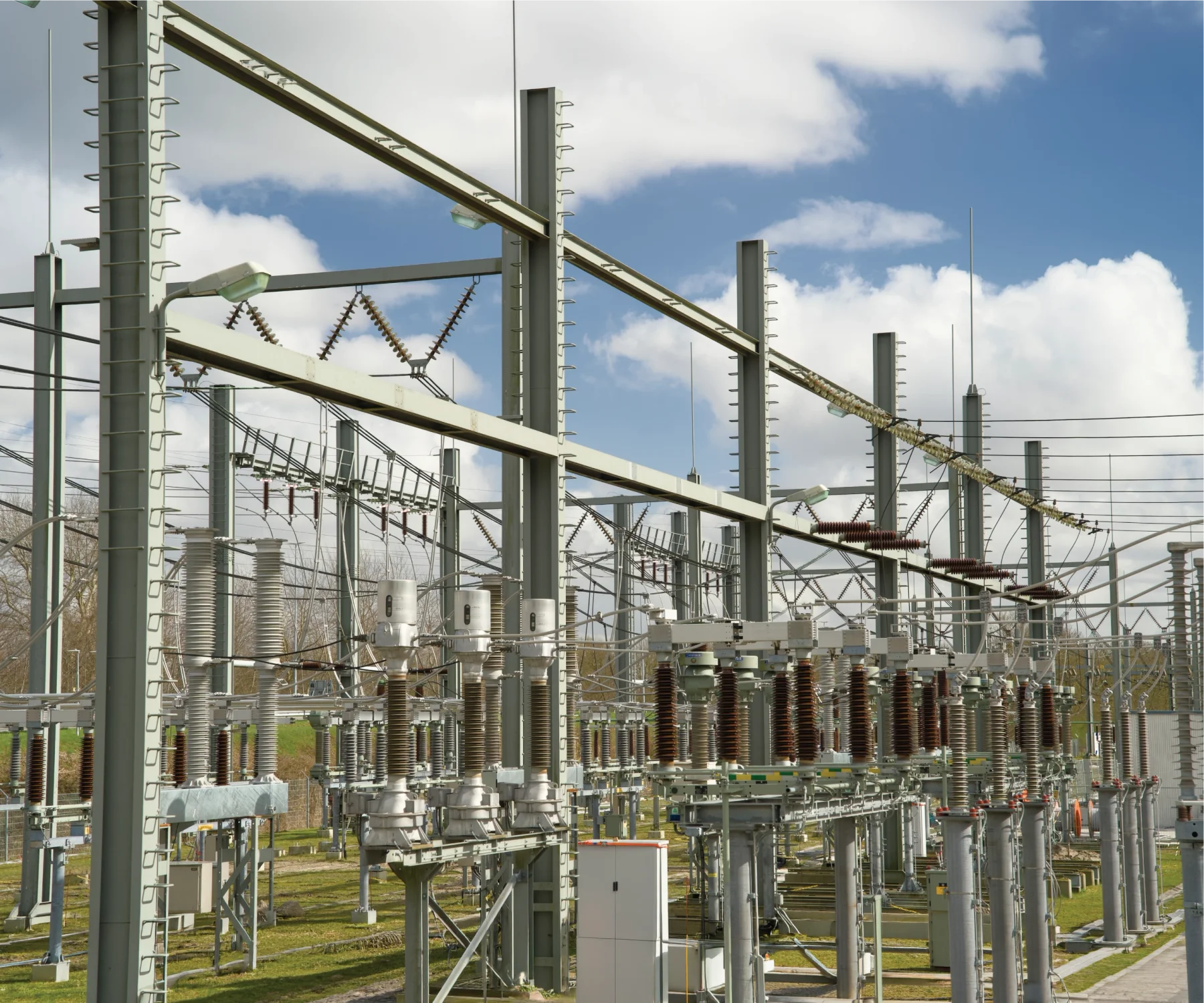
Walk through any high-voltage substation, and isolators are impossible to miss. They are installed alongside circuit breakers, disconnecting sections of busbars, transformers, feeders, and transmission lines during planned maintenance. One common application of isolator technology is providing visible electrical isolation after the circuit breaker has interrupted the load current.
Engineers also identify these devices easily by referring to the electrical isolator symbol shown on single-line diagrams.
Factories rely on isolators far more often than many people realise. Large motors, motor control centres, distribution board, generators, and process equipment all require safe isolation before inspection or repairs. A properly selected electrical isolator helps maintenance teams work confidently by making sure the equipment has been completely disconnected from the supply.
Another important application of isolator is improving maintenance safety while decreasing operational risks in industrial environments.
Modern electric infrastructure extends well past traditional substations. Solar photovoltaic installations commonly use dedicated DC isolators to safely disconnect PV arrays during maintenance and emergency situations. Isolators are also widely used in commercial buildings, backup power systems, and utility-scale renewable energy installations as part of their switching and isolation arrangements.
Engineers rely on the electrical isolator symbol in electrical drawings to identify isolation points quickly, making planning, troubleshooting, and maintenance activities far more efficient.
Also Read: Everything You Need To Know About Electrical Contactors
Safe electrical maintenance always begins with proper isolation.
Understanding what is isolator in electrical systems, the isolator working principle, and the correct application of isolator helps ensure maintenance activities are carried out safely while protecting both equipment and personnel. Although an electrical isolator does not interrupt fault current or load current, it provides the visible disconnection that maintenance teams depend on before working on electrical installations.
For dependable switching solutions, advanced power distribution products, and modern electrical technologies, Lauritz Knudsen Electrical & Automation offers reliable solutions designed to support safer electrical systems across industrial, commercial, and utility applications.
No. An isolator is designed to operate only after the circuit has been de-energised by a circuit breaker or another suitable switching device.
Visible open contacts provide clear confirmation that equipment has been disconnected from the electrical supply before maintenance begins.
In many standards and applications, the terms are used interchangeably. Both refer to a device that provides visible circuit isolation under no-load conditions.
No. Isolators are also used in low-voltage and medium-voltage installations, including industrial panels, commercial buildings, solar PV systems, and generator applications.
The electrical isolator symbol helps engineers and technicians identify switching and isolation points quickly during design, installation, operation, and maintenance of electrical systems.

Sourav Dasmodak,
Product Management & Marketing (Powergear - ACB)Product Owner of Air Circuit Breaker (ACB) of Lauritz Knudsen for Domestic & International Market. I can talk to you about Electrical Products' Sales, Business Development, Market Expansion, Cracking Critical Strategic Account, handling Key Account & of course how to develop & motivate Channels along with the organizational growth. Having near about one and a half decade of experience across the country with major electrical manufacturers (Top 4).
Assistance Required?
Select an option to Contact Us

 Contact Us

