Technical Articles
No headings found on this page.
Power interruptions are frustrating. Not only in factories or commercial facilities, but even in residential buildings where continuous electricity has become essential for everyday operations. One sudden overload or supply failure can affect equipment, interrupt workflow, and sometimes even damage connected systems. That is where intelligent switching and load management systems become important.
Modern electrical networks often require automatic source transfer along with controlled current management to maintain operational stability during changing load conditions. This is exactly why ACCL systems are widely used across power distribution applications today.
Think about this. A building running on backup supply during a power outage cannot always handle every connected load simultaneously. Proper current limitation becomes critical.
Understanding what ACCL in electrical helps users is see how automated changeover and controlled power distribution improve electrical safety, stability, and operational continuity.
ACCL is an intelligent electrical system designed to manage automatic source transfer while controlling connected load demand during operation.
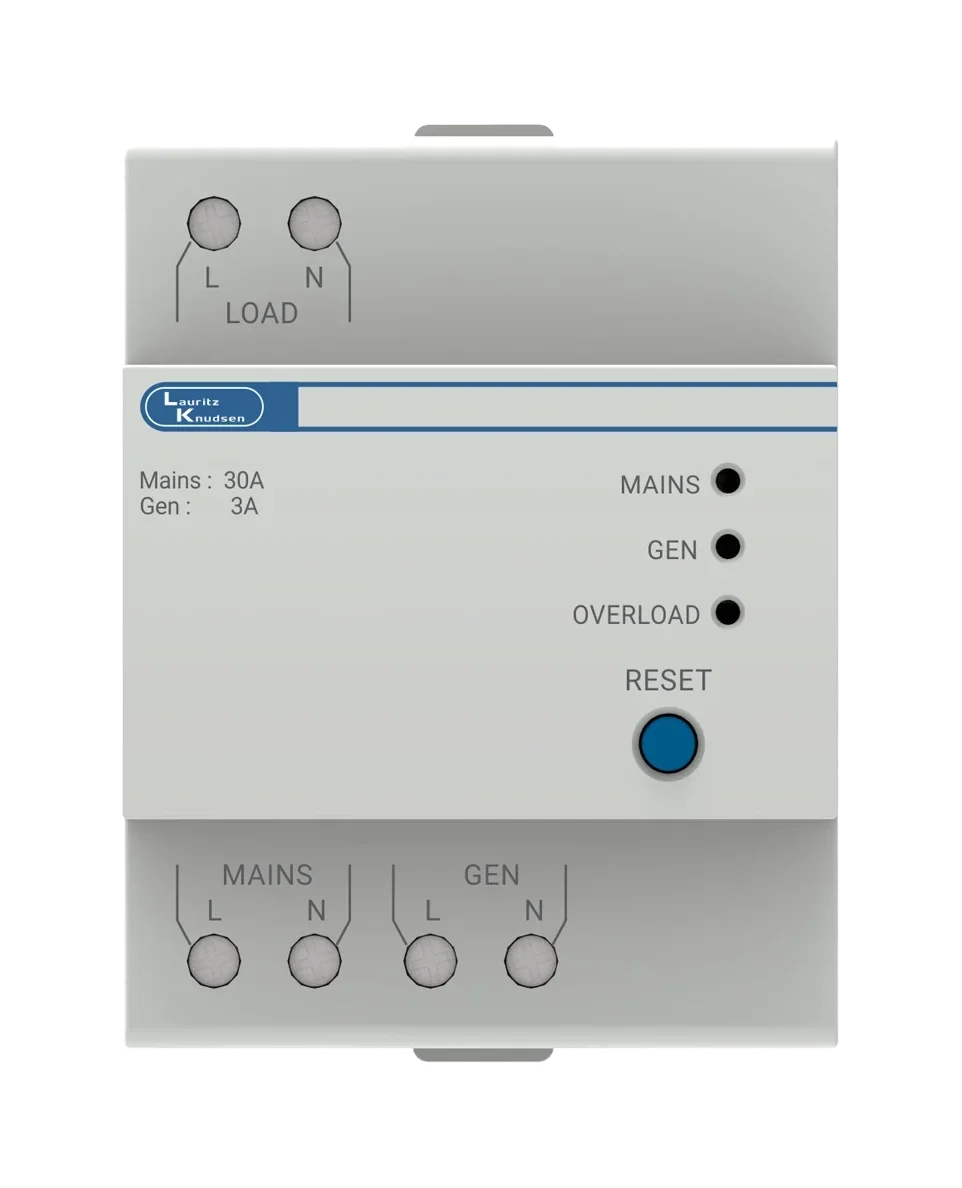
ACCL (commonly referred to as Automatic Changeover with Current Limiter in certain systems) combines automatic power source switching with controlled load management to improve electrical safety and operational reliability during fluctuating load conditions.
ACCL systems can be considered an advanced version of Automatic Transfer Systems (ATS) with added load and current management functionality. While ATS primarily focuses on automatic source switching, ACCL systems additionally control how electrical loads are connected during backup operation.
In reality, electrical systems often experience sudden load increases during source transfer between mains supply and backup power systems. Without proper control, connected equipment may overload generators, cables, or distribution panels.
An automatic changeover with current limiter helps prevent such conditions by controlling load connection in stages and preventing excessive simultaneous current draw while maintaining controlled and safe power transfer, typically with a brief interruption during switching. These systems are commonly used in residential complexes, commercial buildings, industries, hospitals, and infrastructure facilities where uninterrupted and controlled power distribution is important.
ACCL systems also help reduce unnecessary electrical stress during backup operation and load restoration cycles.
The operating concept behind ACCL systems focuses on two important functions simultaneously- automatic source transfer and controlled current limitation. Both processes work together to maintain safer electrical operation during varying supply conditions and changing load demand.
The system continuously monitors incoming electrical supply conditions during normal operation. Whenever mains supply becomes unstable or fails completely, the ACCL system detects the abnormal condition automatically. The transfer process then shifts connected loads toward the backup source without requiring manual intervention from operators or maintenance personnel.
During source transfer, sudden connection of large loads or motor-driven equipment can create high inrush current and electrical stress across the backup system. The ACCL working principle includes intelligent load management that controls how connected loads are transferred and restored. Instead of connecting all loads simultaneously, the system transfers loads in stages or based on predefined priority levels. This reduces overload conditions while improving operational stability across generators and electrical distribution systems.
The ACCL system typically operates using relay, programmable logic controllers, contactors, or circuit breakers integrated within the control panel. These components continuously monitor supply conditions and execute controlled load transfer operations automatically based on predefined settings.
An ACCL system performs several coordinated operations continuously to maintain stable power transfer and controlled electrical loading. Reliable backup operation is not only about switching power sources safely, but also about managing connected loads during the brief transfer interval. Managing load conditions safely is equally important.
The system constantly checks incoming mains supply voltage and operating conditions during normal electrical operation. Whenever voltage drops beyond safe limits or complete power failure occurs, the ACCL system immediately identifies the abnormal condition and prepares for controlled source transfer automatically.
Once supply failure is confirmed, the ACCL mechanism transfers connected loads from the primary power source toward the backup supply system. This automatic transfer process helps maintain operational continuity while reducing manual switching delays during emergency electrical conditions inside the facility.
Large electrical loads switching suddenly onto backup systems may create high inrush current and overload conditions. The system controls load restoration gradually instead of transferring every connected load simultaneously. In reality, this improves generator stability and reduces unnecessary electrical stress during backup operation.
The ACCL function also includes continuous load monitoring throughout operation. If connected electrical demand rises beyond preset operating limits, the system disconnects or delays non-essential loads based on predefined priority settings. Loads are often prioritised so that essential systems remain active while non-critical loads are temporarily disconnected. This helps protect backup systems, cables, switchgear, and connected electrical equipment from overload conditions.
Once stable mains supply returns, the system automatically shifts operation back to the primary source safely and systematically. The ACCL switch manages this restoration process carefully to avoid sudden electrical disturbances while maintaining smoother operational continuity across the distribution system.
ACCL systems perform much more than simple automatic switching. Their overall purpose involves improving operational reliability, controlling electrical stress, and supporting safer backup power management across electrical networks.
One major function involves transferring electrical load automatically between mains supply and backup power systems whenever abnormal supply conditions occur. This reduces operational interruption while eliminating the need for constant manual monitoring during supply failures or unstable voltage conditions.
Backup systems such as generators often operate with limited load-handling capability during emergency operation. The system controls load demand carefully during transfer conditions to prevent overload situations. Controlled current management also improves long-term equipment reliability.
The overall ACCL operation improves stability during source transfer and power restoration cycles. Gradual load transfer, automatic monitoring, and controlled current limitation reduce electrical stress across distribution systems while supporting smoother operation throughout changing supply conditions.
A key ACCL feature involves priority-based load management. Essential systems such as emergency lighting, safety equipment, elevators, or critical industrial loads are given higher operating priority, while non-essential loads may be delayed or temporarily disconnected during backup operation.
Also Read: How to Select the Right kVAR Rating for an APFC Panel?
Electrical systems today require much more than simple manual switching arrangements. Facilities now depend heavily on intelligent systems that can maintain operational continuity while protecting connected equipment from overload and unstable supply conditions.
Understanding what is ACCL in electrical helps users recognise how controlled load transfer improves electrical safety and backup power reliability across residential, commercial, and industrial environments.
The combination of automatic source transfer and intelligent current management makes ACCL systems especially valuable during generator operation, emergency supply conditions, and fluctuating electrical demand situations. Their ability to support safer load handling while reducing electrical stress improves long-term operational performance significantly.
Lauritz Knudsen Electrical & Automation supports advanced electrical infrastructure requirements through dependable switching, protection, and power management solutions designed for modern electrical systems.
Yes. ACCL systems are commonly installed with generator backup arrangements to control load transfer and prevent excessive current demand during emergency operation.
Yes. Controlled load transfer reduces electrical stress and overload conditions, helping improve generator operating stability and long-term reliability.
No. ACCL systems automatically detect supply failure and perform source transfer without requiring manual operator intervention during operation.
Absolutely. Commercial facilities often use ACCL systems for controlled backup operation, smoother source transfer, and improved electrical safety.
Yes. Gradual load restoration and controlled transfer help minimise voltage fluctuations and electrical stress during changing supply conditions.

Rajesh R Shirodkar,
DGM-Corporate CommunicationRajesh Shirodkar is a seasoned marketing and business leader with over 20 years of experience in the automation and electrical industry, spanning marketing communications, sales, business development, and software solution selling. He has led successful brand transformation initiatives and high-impact marketing programs, including branding and account-based marketing campaigns, as well as industry events that drive visibility, engagement, and growth. With expertise in brand building, lead generation, solution selling, and sales enablement, Rajesh is known for translating technology and business offerings into compelling value propositions and delivering sustainable growth through strong stakeholder collaboration.
Assistance Required?
Select an option to Contact Us

 Contact Us

