Technical Articles
If you’ve ever had to manage a pump installed somewhere far from your home or plant, you already know the struggle. Long drives. Sudden breakdown calls. Those frustrating moments when you reach the site only to realise the motor tripped hours ago. In reality, remote motor management has always been inconvenient. But things are slowly changing.
Technology is quietly stepping into spaces that once depended entirely on manual effort. Motor control systems today are smarter, more connected, and surprisingly easy to operate. You don’t need to stand near a panel anymore to ensure everything runs smoothly. Before we dive into connected solutions, though, it helps to understand something basic yet essential- what is motor starter and why it plays such a big role in motor safety and performance.
What is Motor Starter
Let’s keep this simple. When someone asks what is motor starter, the answer isn’t just “a device that starts a motor.” This sounds too basic. In real-world situations, a starter acts more like a control guardian. It manages how electricity reaches the motor and ensures the machine doesn’t get damaged during operation.
Think about this- motors draw very high current at startup. Without regulation, that sudden surge can overheat components or even trip the entire power supply. A properly selected motor starter for pump helps control this initial rush and keeps operations stable.
Another important element is the motor starter switch, which allows operators to safely control motor operation without exposing themselves to high electrical risks. Over time, these systems have evolved from manual controls to smarter, automated solutions that combine protection, efficiency, and reliability in a single setup.
How Does a Motor Starter Work
To understand how does a motor starter work, imagine easing a heavy vehicle into motion instead of slamming the accelerator. Starters do something similar. They regulate current flow, coordinate switching, and monitor operating conditions. This controlled process protects the motor while ensuring smoother and more predictable performance over time.
Not all motor starters regulate voltage; only reduced-voltage starters such as soft starters, auto-transformer starters, star-delta starters, and resistance starters modify the voltage applied during startup. Direct-On-Line (DOL) starters do not regulate voltage—they apply full line voltage immediately.
At the moment of startup, motors demand several times their normal running current. A starter manages this by controlling voltage or introducing resistance. For example, instead of allowing full electrical force immediately, it lets the motor build speed gradually. This reduces stress on windings and connected equipment. It’s a small adjustment that makes a surprisingly big difference.
Motors don’t always run in perfect conditions. Load variations, blocked pipelines, or dry running can create abnormal situations. Starters constantly monitor current levels and temperature conditions. If limits are crossed, they disconnect the supply instantly. This preventive action saves equipment from long-term damage and helps avoid expensive downtime that often follows unnoticed faults.
The switching mechanism inside starters uses contactors or electronic components to open and close circuits safely. Operators may trigger these actions manually or through automated signals. Improved designs in modern motor starter switch units allow faster response and better coordination. The result is smoother startup sequences and more reliable motor operation during varying load conditions.
Types of Motor Starters
There are several types of motor starter available depending on application size, load behaviour, and control requirements. Choosing the right one isn’t just a technical decision. It directly impacts motor life and operational efficiency. Let’s look at some commonly used starters that industries and farms rely on daily.
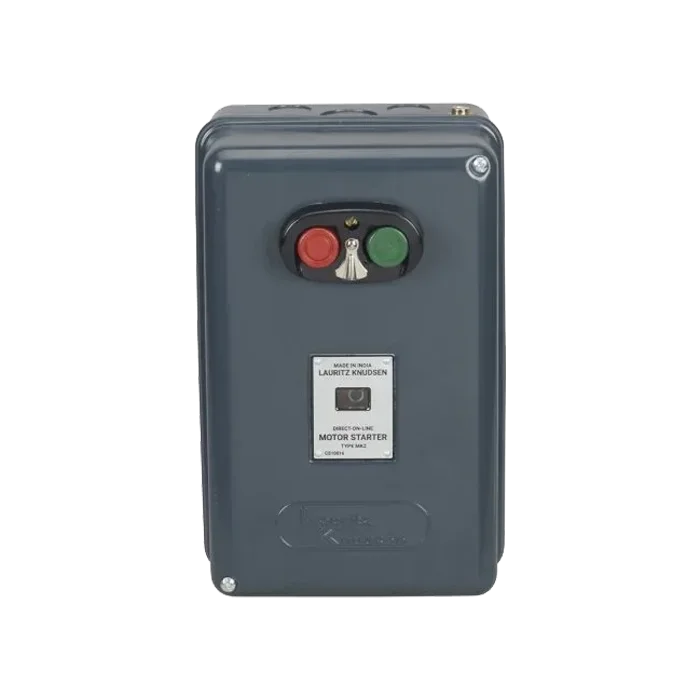
The DOL starter is the simplest option. It connects the motor directly to the power supply, allowing quick startup. This design is widely used for smaller loads because of its affordability and ease of installation. However, the high starting current makes it less suitable for large motors that require more controlled acceleration during operation.
Star-delta starters reduce initial current by starting the motor in a star connection before shifting to delta mode. This staged approach lowers electrical stress and improves stability. Many medium-sized industrial installations use this system because it offers a good balance between cost, protection, and performance during regular motor usage cycles.
Soft starters use solid-state electronics to gradually increase voltage. This ensures smooth acceleration and minimises mechanical shocks. In irrigation setups, they help prevent sudden pressure surges in pipelines. What many people don’t realise is that reduced vibration also lowers maintenance requirements, making soft starters a practical choice for long-term reliability.
Auto transformer starters use reduced voltage taps to control starting current while maintaining adequate torque. They are often preferred in heavy-duty applications where motors handle fluctuating loads. Although slightly more complex, they offer flexibility and improved efficiency. Industries dealing with conveyors or compressors frequently choose this option for stable performance.
Resistance starters introduce external resistance into the circuit during startup. This method allows gradual acceleration and controlled torque delivery. While not as common today, they still appear in specialised or older installations. Engineers sometimes use them when customised starting behaviour is required or when upgrading existing systems isn’t immediately feasible.
What is a Mobile Based Motor Starter
Modern control technology has taken a practical leap forward with connected solutions. Simply put, mobile based motor starters allow operators to start, stop, and monitor motors through their phones. This removes the need for constant physical presence near control panels.
Such systems are especially useful in remote agricultural lands where a dependable motor starter for pump must operate reliably even when users are far away. These solutions combine traditional protection features with communication modules that enable remote control.
Over time, mobile based motor starters are becoming an essential upgrade rather than a luxury. They bring convenience, faster response to faults, and better operational visibility.
How Does a Mobile Based Motor Starter Work
The concept is easier to grasp if you already understand how does a motor starter work. Connected starters perform the same electrical control functions but add wireless communication. Commands are transmitted through mobile networks or internet platforms, allowing operators to manage motors from virtually anywhere with surprising ease.
A built-in GSM or IoT module links the starter to a mobile device. Commands travel as signals through networks rather than physical wiring. For example, a farmer can switch on a borewell pump while sitting at home. This remote accessibility simplifies operations and reduces unnecessary site visits during daily routines.
Users can send start or stop instructions through apps or messages. The system interprets these signals and activates control circuits accordingly. This process happens within seconds. In large farms or industrial zones, the time saved through remote operation becomes significant, improving overall workflow efficiency without increasing manpower requirements.
Connected starters continuously track parameters like voltage, current, and running status. Notifications are sent if unusual conditions arise. This real-time awareness helps users take preventive action early. Instead of discovering faults hours later, they respond immediately, reducing downtime and avoiding potential equipment damage.
Sensors detect conditions such as overload, dry run, or phase failure. Once identified, the system isolates the motor supply instantly. This protective response mirrors conventional starters but adds the benefit of instant alerts. Operators stay informed even when they are physically far from the installation site.
Many connected systems allow users to program operating schedules. Pumps can run during off-peak hours or at specific irrigation intervals. This automation reduces manual effort and supports efficient energy usage. Over time, predictable operating patterns also contribute to better equipment health and reduced maintenance demands.
Modern designs focus on compatibility. Technicians can integrate connected starters with standard electrical panels without major redesign. This flexibility encourages adoption across industries and agricultural applications. It also allows gradual upgrades, which is often more practical than replacing entire motor control systems at once.
Advantages of Mobile Based Motor Starter for Improved Pump and Motor Control
When users understand the types of motor starter and combine them with remote connectivity, operational benefits become clear. Mobile-enabled control improves response time, enhances safety, and simplifies management. These advantages are especially noticeable in remote installations where manual supervision is difficult or inconsistent.
Remote operation eliminates the need for frequent site visits. Farmers and technicians save time, fuel, and physical effort. Over weeks and months, this convenience becomes one of the biggest reasons for adopting connected systems. Daily routines become less stressful, allowing users to focus on more productive tasks.
Instant alerts help operators act before minor issues escalate. A quick restart or shutdown decision can prevent prolonged downtime. In industries where pumps support production processes, a timely response directly affects output efficiency. Connected monitoring, therefore, plays a practical role in maintaining operational continuity.
Consistent monitoring ensures motors operate within safe limits. Early detection of abnormal conditions reduces mechanical and electrical wear. Think about this- even slight improvements in operating conditions can significantly extend equipment life. Over time, reduced replacement frequency leads to noticeable cost savings.
Automation and scheduling improve water and energy usage. Pumps operate only when required, reducing wastage. In regions with fluctuating electricity supply, this flexibility becomes extremely valuable. Users can adapt operation timings to match availability, ensuring smoother workflow without manual supervision.
Remote control minimises direct interaction with high-voltage panels. This is particularly helpful in outdoor installations or harsh weather conditions. By managing operations from a safe distance, users reduce exposure to electrical hazards while maintaining complete control over motor functions.
Connected platforms allow users to manage multiple motors through a single interface. This unified visibility simplifies decision-making. Large farms and distributed industrial setups benefit greatly from such scalability. Instead of juggling different systems, operators gain structured control that improves consistency and overall performance.
Also Read: The Role Of Ac Drives And Soft Starters In Modern Fire And Ventilation Systems
Conclusion
Motor control is no longer limited to physical switches and routine site visits. As infrastructure spreads into remote regions, smarter solutions are becoming essential. Understanding what is motor starter still forms the foundation, but integrating connectivity transforms how these systems function in daily operations.
Mobile-enabled control brings convenience, safety, and efficiency together in a practical way. Whether managing irrigation pumps or industrial drives, users gain better oversight and faster response capability. In many cases, the shift toward connected starters isn’t just about technology. It’s about making motor management simpler, smarter, and far less stressful.
So, whether you are looking for traditional motor starters or advanced mobile-based motor starters, explore the durable and high-quality devices from Lauritz Knudsen Electrical & Automation.
Assistance Required?
Select an option to Contact Us
 Contact Us

