Technical Articles
Imagine a massive motor starts, a conveyor belt stops, a compressor cycles on, all without someone flipping a manual switch. It’s all happening automatically. Quietly. Reliably. This is why choosing the right contactor switch isn’t just a technical decision. It directly affects safety, efficiency, and even downtime.
So, if you have ever wondered about the types of contactors in electrical systems and how they actually work in real-world setups, you are in the right place.
Let’s keep it simple. Electrical contactors are basically heavy-duty switches. But calling them just “switches” doesn’t do them justice. They are built to handle high currents, frequent operations, and harsh industrial environments. A contactor uses an electromagnet to open or close contacts. When current flows through the coil, it creates a magnetic field that pulls the contacts together. When the current stops, they separate. Simple idea. Powerful result.
Now here’s where it gets interesting. The electrical contactor working process isn’t just about switching on and off. It’s about doing it safely. For example, when a motor starts, there’s a sudden surge of current. A regular switch wouldn’t survive that for long. This is why a contactor switch is designed with arc suppression mechanisms, allowing it to handle sparks and high loads without damage.
In reality, you will find them everywhere- HVAC systems, industrial motors, lighting panels. Understanding electrical contactor working helps in selecting the right one for your application as not all contactors are built the same.
Not all contactors behave the same way, even though they look similar. The types of contactor in electrical systems are designed based on the kind of load, environment, and switching requirements. Choosing the wrong one? That’s where problems usually begin.
An AC contactor is probably the most commonly used type you will come across. It’s designed specifically for alternating current systems, which means most industrial setups rely on it. For example, motors, pumps, and HVAC systems all typically run on an AC supply. These contactors are built with arc chutes to handle sparks during switching. They are designed to work efficiently even with frequent switching cycles.
A DC contactor is a different device altogether. DC circuits don’t have natural zero-crossings like AC, so arcs don’t disappear easily. This makes switching much tougher. Because of this, DC contactors are designed with stronger arc suppression techniques. You will often find them in battery systems, solar applications, and electric vehicles. In reality, using the wrong type here can lead to serious damage.
Magnetic contactors are what most people actually mean when they talk about electrical contactors. They use electromagnetism to operate- no manual switching involved. Think about automated systems where machines respond instantly to signals. That’s where magnetic contactors shine. They are reliable, fast, and ideal for continuous industrial operations where manual control simply is not practical anymore.
Vacuum contactors are used in high-voltage applications where things get serious. Instead of air, they use a vacuum chamber to extinguish arcs. This makes them incredibly efficient and long-lasting. You will see them in power distribution systems, mining operations, and heavy industries. They are not cheap, but when reliability matters, they are worth it.
Solid-state contactors don’t have moving parts. This is the big difference. They use semiconductor devices to switch loads, which means no noise, no mechanical wear, and extremely fast operation. These contactors are perfect for precision environments like medical equipment or CNC machines. Although these contactors are advanced, they can be sensitive to voltage spikes. So, they need proper protection too.
Here’s something that often gets overlooked. It’s not just about choosing between an AC contactor and a DC contactor. It’s about choosing the right category for the job. IEC utilisation categories help match contactors with actual load conditions, ensuring safety, performance, and longer equipment life.
The IEC standards categorise the AC contactors into the following types.
The AC1 category is used for resistive or slightly inductive loads like heaters or lighting systems. In these cases, current and voltage stay mostly in sync, so switching is relatively easy. A contactor in this category doesn’t face heavy stress. But here’s the catch- using it for motor loads? That’s where mistakes happen. It’s not designed for that.
AC2 is designed for slip ring motors, which are often used in heavy-duty applications like cranes. These motors create moderate inductive loads, especially during starting. So the contactor must handle higher currents during switching. It’s a step up from AC1 in terms of capability, but it's still not suitable for all motor types.
AC3 is the most common category in industrial environments. It’s used for squirrel cage motors like pumps, fans, and compressors. These motors draw high current during startup, and contactors must handle that surge without failing. In reality, most motor control applications fall into this category, making it one of the most widely used standards.
AC4 is where things get intense. Frequent starting, stopping, reversing- this category handles it all. Applications like cranes or assembly lines demand this kind of performance. But there’s a trade-off. Higher stress means a shorter lifespan compared to AC3. So selection needs careful consideration.
The IEC global standards also categorise DC contactors as follows.
DC1 is used for resistive DC loads like heaters or battery systems. Since there’s minimal inductance, switching is relatively stable. But remember, DC still doesn’t have zero-crossing. So even simple applications require robust contactor design. It’s often underestimated, but still important.
DC2 and DC3 categories deal with DC motors, which are far more challenging to control. They involve higher inductance and longer arc duration during switching. That’s why contactors in these categories are designed with advanced arc control techniques.
Another important category is DC5, which is used for series motors, plugging, and inching operations. These applications are common in traction systems, cranes, and electric vehicles, where frequent starting, stopping, and reversing occur. Contactors in this category must withstand extremely high electrical and thermal stress, making proper selection critical for safety and durability.
Also Read: What is Star Delta Starter? Types, Application and Working
Electrical contactors may seem like small components, but they carry a big responsibility. They control power. They protect systems. Also, sometimes, they prevent failures you never even notice. Whether you’re working with an AC contactor, a DC contactor, or exploring different types of contactors in electrical systems, the key is understanding the application- not just the product.
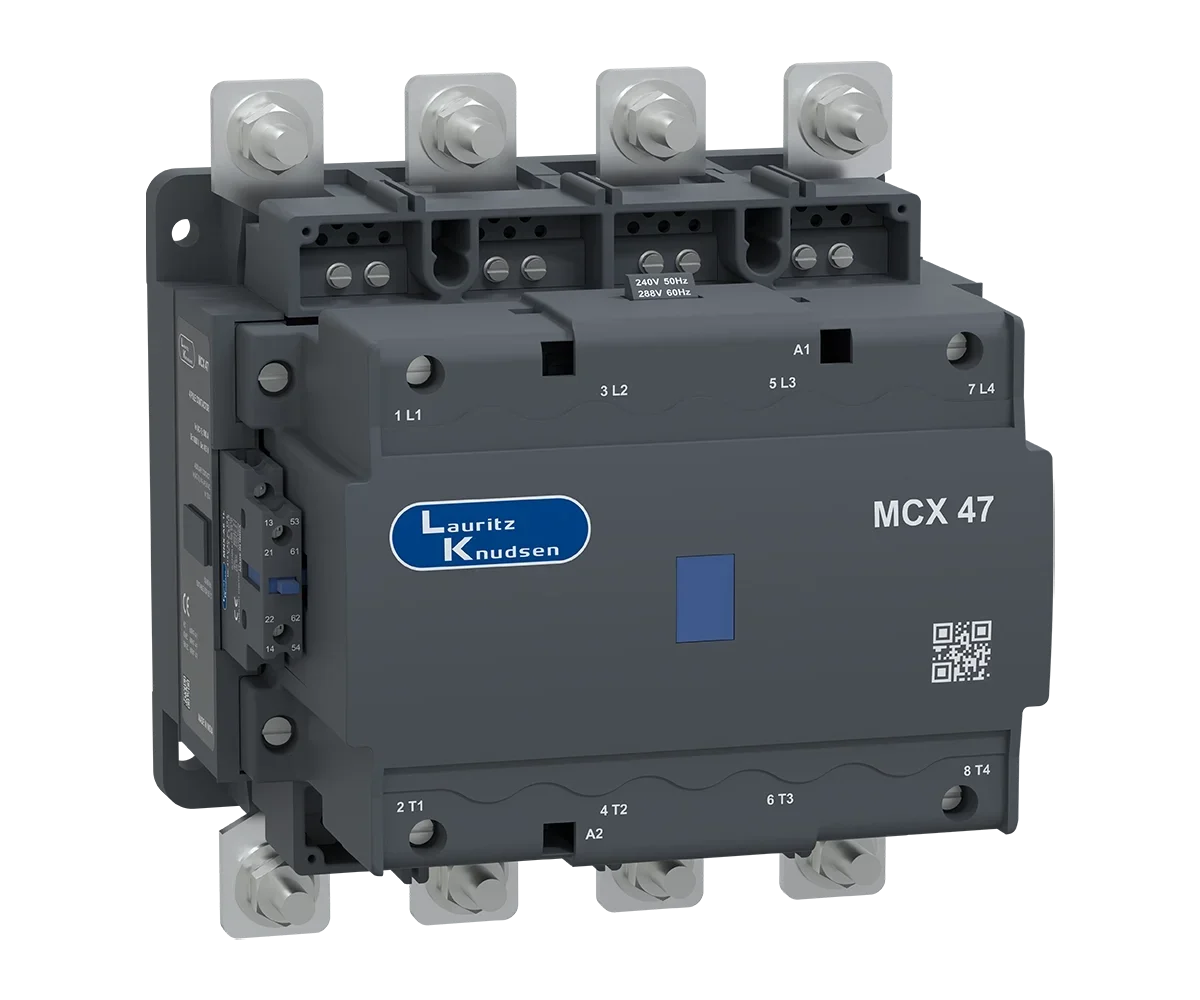
Electrical contactors from Lauritz Knudsen Electrical & Automation advanced switching and control devices, including MNX, MCX, MO, MO0 and MO C, are designed exactly for this. Built for reliability, durability, and real industrial challenges, they ensure your systems don’t just run- they run right.

Rajesh R Shirodkar,
DGM-Corporate CommunicationRajesh Shirodkar is a seasoned marketing and business leader with over 20 years of experience in the automation and electrical industry, spanning marketing communications, sales, business development, and software solution selling. He has led successful brand transformation initiatives and high-impact marketing programs, including branding and account-based marketing campaigns, as well as industry events that drive visibility, engagement, and growth. With expertise in brand building, lead generation, solution selling, and sales enablement, Rajesh is known for translating technology and business offerings into compelling value propositions and delivering sustainable growth through strong stakeholder collaboration.
Assistance Required?
Select an option to Contact Us
 Contact Us

