Technical Articles
Electrical switches are crucial devices. They control, interrupt, or redirect the flow of electrical current in a circuit. From simple SPST and toggle switches to advanced float, thermal, and limit switches, each type fulfils a specific purpose. This guide explains the different types of electrical switches. It also spotlights their functions, advantages, disadvantages, and applications.
Most people interact with electrical switches dozens of times a day. You walk into a room and turn on a light. You start a water pump. You press a button on a machine. A switch is involved somewhere in that process.
Not all switches are designed for people to use directly. Some respond to movement. Others react to temperature, liquid level, pressure, or machine position. In fact, many switches operate automatically without anyone noticing.
An electric switch is simply a device that controls the flow of electrical current within a circuit. It can allow current to pass, stop it completely, or redirect it to another path depending on the design. Think about a room light. The wiring may have power available all day long, but nothing happens until the switch completes the circuit.
Switches do not just turn equipment on and off. They can select operating modes, provide machine feedback, detect movement, monitor fluid levels, and perform countless other functions. This is why engineers rely on various electrical switch symbols when creating wiring diagrams and control schematics.
Walk through an industrial plant and count the switches. You probably won't get very far before losing track. Some are mounted on walls. Some are installed inside machines. Others operate automatically. The variety exists because electrical systems rarely have identical control requirements.
Light switches in homes typically use SPST configurations, although SPDT switches are also common in two-way (staircase) lighting circuits. The single-pole single-throw switch is probably the simplest design you'll encounter. One circuit. One switching action. That's it. Light switches in homes often use this arrangement. Among the common types of electrical switches, the SPST design remains one of the easiest to understand and one of the most widely used.
Sometimes a circuit needs options rather than simple ON and OFF control. This is where SPDT switches become useful. Instead of connecting to only one output, they allow a single input to switch between two separate paths. You will often find them in selector and changeover applications.
Imagine controlling two circuits at exactly the same time. A DPST switch makes that possible. With one operation, both poles open or close simultaneously. This configuration is commonly used where complete isolation of multiple conductors is required for safety or operational reasons.
A DPDT switch offers even greater flexibility. Motor reversing applications frequently use these switches because they allow current paths to be changed efficiently. Engineers appreciate them because they can perform multiple switching functions within a single device.
There's a good chance you have operated a toggle switch recently. Generator panels, machinery, vehicles, and instrumentation systems continue to use them extensively. Their popularity comes from a simple fact: they are reliable, easy to operate, and provide a clear visual indication of switching position.
Walk up to almost any industrial machine. You will find push buttons. Start. Stop. Reset. Emergency stop. These switches are built for repeated operation and remain one of the most familiar control devices used throughout industrial and commercial environments.
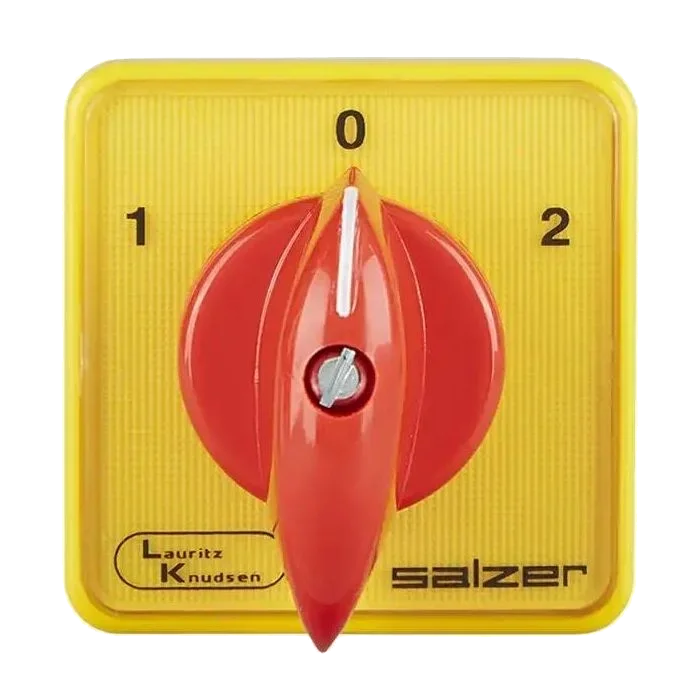
Not every control action involves pressing or flipping. Rotary switches allow users to select from multiple positions simply by turning a knob. They are common in selector applications, instrumentation systems, and control panels where several operating modes are required.
Some equipment needs to operate according to a schedule rather than manual input. Timer switches make that possible. They are widely used in lighting systems, water pumps, ventilation equipment, and other applications where automatic operation improves efficiency.
Anyone who has operated a crane or industrial handling system has probably used a joystick switch. These devices provide multi-directional control and are particularly useful when equipment movement must be precise and responsive.
Small electronic devices commonly rely on slide switches. Their compact design makes them practical where installation space is limited. Radios, communication devices, and portable electronics commonly use this type of switch.
A water tank doesn't need someone watching it all day. Float switches handle this job automatically. As liquid levels rise or fall, the switch changes state and helps control pumps, alarms, and level-monitoring systems.
Machines need boundaries. Limit switches provide them. When the moving equipment reaches a predetermined position, the switch operates and signals the control system. You will find them throughout manufacturing, packaging, and material-handling equipment.
Pipes don't just carry fluids. Sometimes they provide information too. Flow switches monitor liquid or gas movement and respond when flow conditions change. HVAC systems and industrial process plants frequently depend on them.
Heat can tell you a lot about what's happening inside equipment. Thermal switches use temperature changes to activate or deactivate circuits. They are commonly used in motor protection systems. Heating equipment and temperature-control applications also use these switches.
People often assume switches exist only to turn things on and off. The answer isn't wrong. It's just incomplete.
The simplest answer to what is the purpose of using an electric switch is current control. Switches determine when electricity flows and when it stops. Without that capability, operating electrical equipment safely would be almost impossible.
Think about maintenance work. Before a technician services equipment, circuits often need to be isolated. Switches provide a practical way to disconnect power and reduce electrical dangers during inspection and repair activities.
Not every switch waits for human interaction. Float switches, thermal switches, and limit switches respond automatically to changing conditions. These actions help contemporary automation systems operate efficiently with minimal manual control.
Different machines require different modes of operation. Selector switches, rotary switches, and changeover switches allow operators to choose functions quickly and safely. That's another important answer to what is the purpose of using an electric switch in industrial environments.
The best electrical components are often the simplest ones. Switches fit that description perfectly. Proper switch selection depends on electrical ratings such as voltage, current capacity, and environmental protection (IP rating), along with application requirements
One reason switches remain so widely used is their simplicity. Operators don't require extensive training to understand how most switches function. A simple action produces a predictable result.
Switches provide direct control over electrical systems. They give users the ability to manage equipment safely and effectively when operating lighting circuits or industrial machinery.
There are numerous different types of electrical switches. This is why engineers can select devices specifically suited to the application. No single switch design works everywhere. This is actually an advantage.
Modern switches integrate easily into residential, commercial, and industrial installations. Their versatility renders them appropriate for everything from simple lighting systems to complex automation networks.
Switches have limitations like any electrical component. Understanding the advantages and disadvantages of electrical switches helps ensure realistic expectations during system design.
Most switches contain moving parts. After years of operation, contact wear, spring fatigue, or mechanical deterioration may occur. Eventually, replacement becomes necessary.
Whenever electrical contacts separate under load, arcing can occur. Although modular switch designs minimize this effect, repeated arcing can gradually affect contact performance.
Dust, moisture, vibration, and temperature shifts can affect switch operation. This is why industrial environments frequently require specially designed switches capable of handling challenging conditions.
One of the overlooked advantages and disadvantages of electrical switches is specialisation. A switch that performs perfectly in one application may be completely unsuitable for another. Proper switch selection depends on voltage, current rating, environmental protection (IP rating), and application requirements.
Although switches initiate actions, relays often help complete them. The two technologies frequently work together.
Factories depend on coordinated control systems. Push buttons, selector switches, and limit switches provide inputs, while relays help process those signals and control machinery.
Motor starters, contactors, and protection devices commonly rely on switch inputs. This combination allows operators to start, stop, and monitor equipment safely and efficiently.
Commercial buildings contain numerous controlled systems. Lighting networks, HVAC installations, water pumps, and utility services all depend on switches and relay-based control arrangements.
Float switches, thermal switches, and flow switches frequently serve as inputs for protective control systems, helping detect abnormal operating conditions before damage occurs.
Also Read: How to Choose the Best Smart Switch for Your Home
Comprehending the types of electrical switches, learning how to interpret electrical switch symbols and understanding the purpose of using electric switches gives valuable insight into modern electrical systems.
Lauritz Knudsen Electrical & Automation supplies a range of switches, sockets, industrial control products, protection devices and automation solutions. We design these to support electrical installations across residential, commercial and industrial environments.
Different applications need different switching functions. That's why there are configurations like SPST, SPDT, DPST and DPDT. These configurations exist to meet varying needs.
Yes, special switches are available for hazardous areas. These areas may have gases, dust or harsh environmental conditions.
It depends on operating conditions, how often the switch is used and the environment. Generally, routine maintenance is recommended.
Manual switches need to be operated by a user. Automatic switches respond to conditions, like temperature, level, pressure, movement or flow.
Yes, a single switch can control connected devices at the same time. It depends on the circuit design and switch configuration. Electrical switches are used to control devices.

Rajesh R Shirodkar,
DGM-Corporate CommunicationRajesh Shirodkar is a seasoned marketing and business leader with over 20 years of experience in the automation and electrical industry, spanning marketing communications, sales, business development, and software solution selling. He has led successful brand transformation initiatives and high-impact marketing programs, including branding and account-based marketing campaigns, as well as industry events that drive visibility, engagement, and growth. With expertise in brand building, lead generation, solution selling, and sales enablement, Rajesh is known for translating technology and business offerings into compelling value propositions and delivering sustainable growth through strong stakeholder collaboration.
Assistance Required?
Select an option to Contact Us
 Contact Us

