Technical Articles
Modern electrical systems are no longer just about supplying power. They are about controlling power intelligently. Motors, in particular, demand precision because their performance directly affects energy consumption, equipment life, and operational efficiency. This is where Variable Frequency Drives step in.
Despite their widespread use in industrial and commercial environments, many people still ask a very basic question: what is vfd and why is it so important?
Let’s unpack this properly.
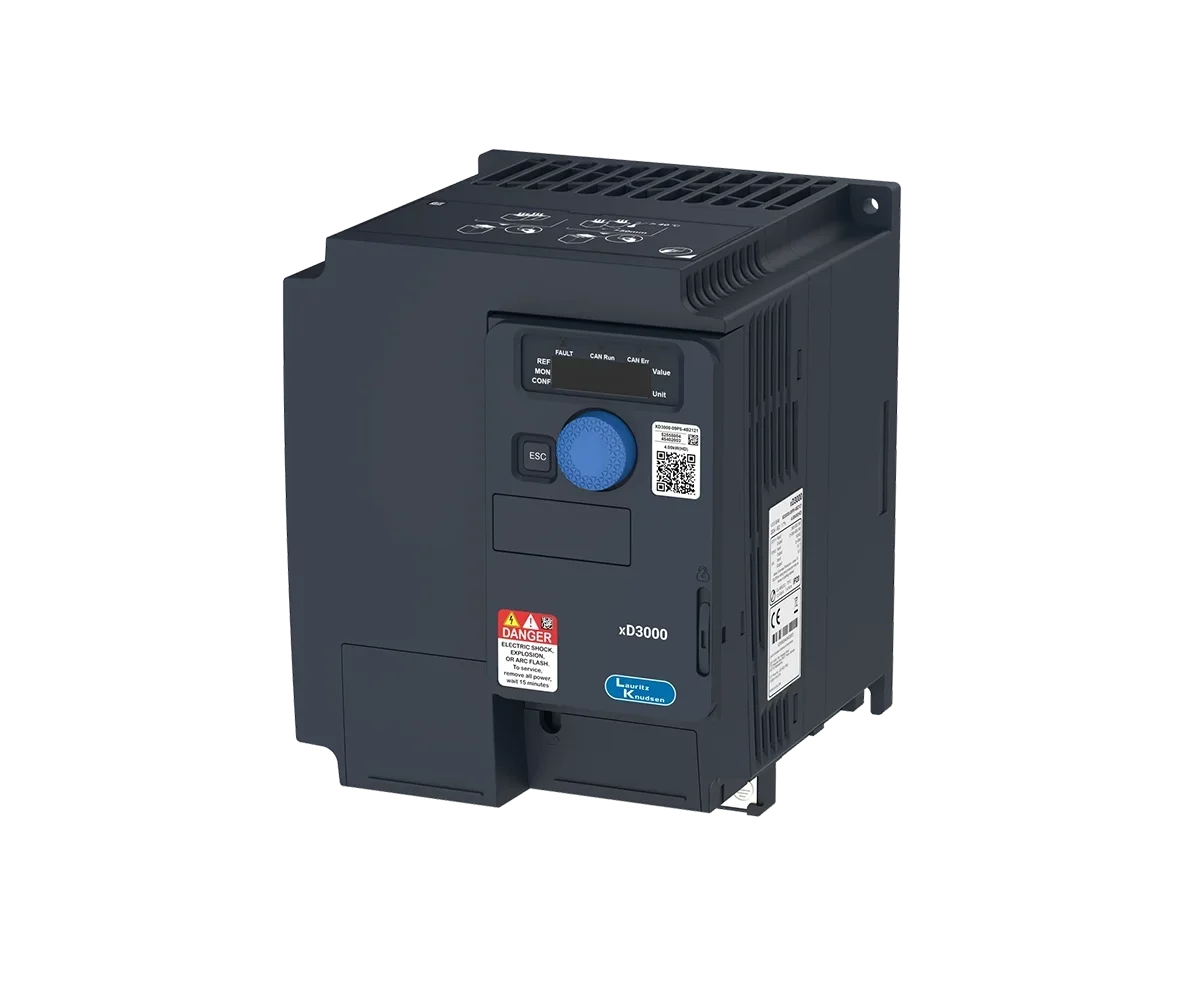
A Variable Frequency Drive, commonly known as a VFD, is an electronic device used to control the speed and torque of an electric motor by varying the input frequency and voltage.
Put simply, instead of running a motor at full speed all the time, variable frequency drives allow operators to regulate motor behaviour based on actual demand.
This capability is critical for:
A VFD transforms fixed-speed motors into adjustable-speed systems.
Understanding how does a vfd work becomes easier once you see the internal logic behind the device.
A VFD does not directly change motor speed through mechanical means. Instead, it modifies the electrical supply characteristics.
The typical conversion process involves:
By adjusting output frequency, the motor speed changes proportionally.
The vfd working principle is built around frequency control.
Motor speed depends largely on supply frequency. Traditional power systems deliver constant frequency, which means motors run at fixed speeds. VFD drives alter this behaviour by supplying variable frequency.
Key operational ideas:
This dynamic control is what makes vfd drives essential in modern automation and energy management systems.
Industries rarely adopt technology without strong benefits. The rise of vfd variable frequency drives is driven by clear operational advantages.
Primary drivers include:
Instead of abrupt starts and stops, motors operate gradually and efficiently.
Not all drives are designed the same way. Different control methods and applications lead to multiple types of vfd.
One of the most widely used designs. VSI-based vfd drives use a stiff DC voltage source and are suitable for general-purpose applications.
Typical characteristics:
These drives operate using a constant DC current source. Though less common today, they remain relevant in specific high-power environments.
Common traits:
Among the most popular modern solutions. PWM-based drives offer precise control and higher efficiency.
Advantages include:
Understanding the types of vfd helps align drive selection with system requirements.
To truly understand drive behaviour, it helps to examine vfd components. A VFD is essentially a combination of several functional blocks working together.
Major components include:
Each part plays a specific role in power conversion and control.
This stage converts incoming AC supply into DC.
Core functions:
Acts as the stabilization layer within the drive.
Responsibilities:
Converts DC back into variable AC.
Primary tasks:
The intelligence centre of the VFD.
Typical capabilities:
Understanding vfd components clarifies how drives achieve precise motor control.
The popularity of VFD systems is closely tied to the advantages of variable frequency drive technology.
Key benefits include:
In many installations, energy savings alone justify the investment.
Correct variable frequency drive installation plays a major role in performance and reliability. Even a high-quality drive can underperform if installed improperly.
Important installation aspects:
Professional installation reduces operational issues significantly.
Motors experience stress from sudden starts, voltage variations, and load fluctuations. VFD drives help mitigate these conditions.
Protective advantages:
This directly improves equipment longevity.
Like any critical electrical equipment, drives require routine inspection. A structured vfd maintenance checklist helps maintain system stability.
Typical checkpoints include:
Consistent maintenance reduces unexpected failures.
Drives tend to operate silently in the background, leading many facilities to ignore preventive checks. However, neglected maintenance can trigger issues such as overheating, nuisance trips, or reduced efficiency.
Preventive care ensures:
Also Read: Top 5 Benefits of Using AC Drives in Industrial Automation
Motors are among the largest energy consumers in electrical systems. Technologies like vfd variable frequency drives introduce intelligence into motor control, turning fixed-speed equipment into flexible, efficient assets.
Understanding what is vfd, the vfd working principle, and proper installation and maintenance practices allows facilities to unlock both performance and energy benefits without unnecessary complexity.
A Variable Frequency Drive is an electronic controller that adjusts motor speed by varying supply frequency and voltage. It is used to improve efficiency, enable speed control, and reduce energy consumption in motor-driven systems.
A VFD converts incoming AC power to DC and then back to AC with adjustable frequency. This controlled output regulates motor speed and torque according to operational requirements.
Widely used designs include Voltage Source Inverter drives, Current Source Inverter drives, and Pulse Width Modulation drives. Each type offers distinct control and performance characteristics.
Major benefits include energy savings, smooth motor operation, reduced starting current, improved process control, and extended equipment life.
Routine maintenance helps detect issues early, ensures cooling efficiency, maintains parameter accuracy, and prevents unexpected drive failures.
Assistance Required?
Select an option to Contact Us

 Contact Us

