Technical Articles
No headings found on this page.
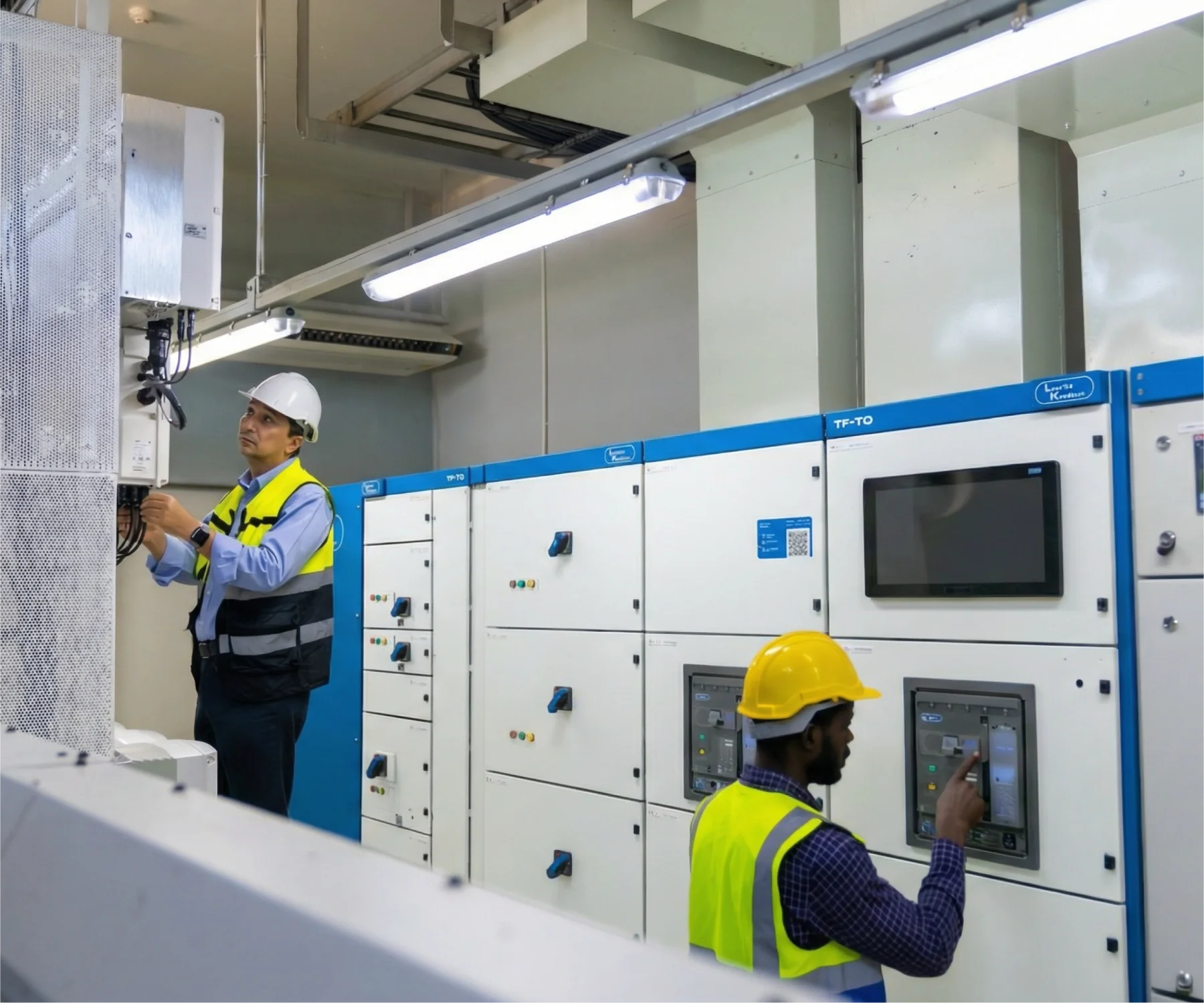
In many industrial setups, engineers often ask what is HT panel and why its maintenance seems so detailed compared to other electrical equipment. In reality, high-tension systems carry higher voltage stress, insulation sensitivity, and switching responsibilities. A well-planned HT panel maintenance checklist doesn’t just prevent breakdowns. It improves operational safety, reliability, and overall equipment life. This guide walks you through practical steps, component understanding, panel types, and comparison insights so that maintaining HT switchgear panels feels manageable, not overwhelming.
To understand maintenance, first, we need clarity on what is HT panel in real operational terms. An HT panel is essentially a high-voltage distribution and control assembly used to receive, control, and distribute electrical power in industrial or commercial installations.
The HT panel full form in electrical is High Tension panel, and it typically handles medium-voltage levels such as 3.3 kV, 6.6 kV, 11 kV, and up to 33 kV, depending on system design. The relationship between HT panel and LT panel defines how power flows through an electrical system. HT panels manage incoming high voltage, while LT panels distribute reduced voltage to loads.
Modern HT switchgear panel systems from companies like Lauritz Knudsen Electrical & Automation, such as VK Series for Vacuum Circuit Breaker Panels and FR1-VI series for Ring Main Units, are designed for compact reliability. They combine protection logic, isolation capability, and safe switching performance in one structured enclosure.
Even the most rugged switchgear depends on its internal build quality. Understanding HT panel components helps technicians spot early warning signs before faults escalate.
Circuit breakers act as the first line of protection. Typically vacuum circuit breakers (VCB), with SF₆ mainly used in GIS or RMU applications, they interrupt fault current instantly. For example, in VCB panels by Lauritz Knudsen Electrical & Automation, certain breaker health indicators such as operation counters and spring status aid maintenance, while contact wear is typically assessed through testing. Periodic mechanical operation checks, contact wear measurement, and lubrication ensure smooth tripping performance. Neglect here often leads to delayed fault clearing.
Busbars distribute high current across the panel assembly. These copper or aluminium conductors must remain clean and properly insulated. Dust layering or loose supports can cause overheating or flashover. During inspection, technicians verify torque values at joints and check insulation sleeves. Busbar condition assessment is a core part of reviewing HT panel components during shutdown maintenance cycles.
Protection relays monitor voltage, current, and fault patterns continuously. Digital relays today offer event logging and predictive alerts. However, relay calibration drift happens quietly. Engineers typically perform secondary injection tests and verify trip settings annually. Reliable relay functioning ensures the HT switchgear panel responds correctly during abnormal electrical conditions.
Different applications demand different configurations. Understanding the types of ht panels helps maintenance teams anticipate specific inspection requirements.
VCB panels are widely used due to their low maintenance needs and long electrical life. They are common in manufacturing plants and commercial substations. Routine tasks include verification of vacuum integrity through electrical testing such as contact resistance or high-voltage tests as per manufacturer guidelines, spring charging mechanism inspection, and control wiring verification. Many installations use VK VCB ranges from Lauritz Knudsen Electrical & Automation for dependable switching performance.
RMUs are compact and ideal for distribution networks. They provide load switching and fault isolation within a limited space. What many people don’t realise is that RMUs demand strong moisture control because enclosed designs trap humidity easily. Visual insulation checks, gas pressure is typically monitored via built-in indicators in sealed-for-life RMUs, without routine gas handling unless alarms indicate abnormal conditions, and earthing continuity tests form critical maintenance steps for these types of HT panels.
Maintenance shouldn’t feel like guesswork. A structured HT panel maintenance checklist ensures consistency, safety, and compliance.
Start with the basics. Look for dust, corrosion, oil leakage, or insulation cracks. Even small discoloration near terminations can indicate overheating history. Panels should be cleaned using approved dry methods. Visual inspection alone can prevent many unexpected shutdowns before deeper testing even begins.
Operate breakers manually and electrically to confirm smooth functioning. Listen for unusual sounds or delayed spring charging. Lubricate moving parts where specified. Mechanical stiffness often signals internal wear. Recording breaker operation counts also helps schedule timely servicing instead of waiting for performance deterioration.
Insulation health defines panel reliability. Engineers conduct megger testing phase-to-phase and phase-to-earth. Trending insulation resistance values over time gives predictive insight. Gradual reduction may indicate moisture ingress or insulation ageing. Such readings guide preventive maintenance decisions rather than reactive replacements. However, insulation testing frequency should follow OEM and site safety procedures to avoid stressing aged insulation.
Protection relay testing ensures correct trip coordination. Secondary injection tests validate current and voltage sensing accuracy. Firmware updates and parameter reviews are equally important today. Digital protection isn’t “set once and forget.” Regular verification strengthens grid safety and reduces nuisance tripping incidents.
Earthing continuity must remain intact. Loose earthing strips or corrosion can increase fault risk. Engineers measure earth resistance values and verify bonding between panel sections. Proper earthing not only protects equipment but also safeguards maintenance personnel during switching operations.
| Parameter | HT Panel | Smart Switches |
|---|---|---|
| Voltage Level | Above 11 kV | Up to 1 kV AC (commonly 415 V systems in practice) |
| Insulation Needs | High-grade insulation and clearance | Standard insulation spacing |
| Switching Devices | Industrial Automation | MCCB / ACB |
| Maintenance | Industrial Automation | Relatively simpler routine checks |
| Frequency | Industrial Automation | Commercial buildings, small industries |
| Application Area | Industrial Automation | Network & software considerations |
Maintaining high-tension switchgear isn’t just a technical requirement. It’s a long-term reliability strategy. From understanding HT panel full form in electrical terminology to identifying critical inspection routines, each step contributes to uninterrupted operations. A disciplined maintenance culture extends equipment lifespan, reduces downtime, and strengthens electrical safety standards.
Industries looking for dependable solutions often choose advanced VCB Panels, RMUs, and protection-integrated switchgear systems from Lauritz Knudsen Electrical & Automation. If you are planning upgrades or replacements, explore their HT switchgear panel range and connect with their experts to select the right configuration. Investing in quality panels today means fewer surprises tomorrow.
HT panels operate under high voltage stress. Regular maintenance prevents insulation failure, breaker malfunction, and unexpected outages, ensuring safe power distribution.
Visual inspection can be monthly, while detailed electrical testing is usually performed annually or during planned shutdowns.
Common tests include insulation resistance measurement, relay calibration, breaker timing checks, and earthing continuity verification.
Yes. Moisture can reduce insulation strength and increase flashover risk, especially in compact panel designs like RMUs.
Only trained electrical professionals with proper safety certification and shutdown authorization should handle HT switchgear servicing.
Assistance Required?
Select an option to Contact Us
 Contact Us

