Technical Articles
No headings found on this page.
Engineers today don’t just switch motors ON or OFF. They control speed, torque, and performance dynamically. The conversation around VFD energy efficiency is becoming central to industrial design decisions. Reducing speed slightly can cut energy consumption dramatically. The simple shift is why industries are rethinking motor control strategies and exploring smarter solutions like VFD for industrial motors to stay competitive and sustainable.
So, what is a Variable Frequency Drive in practical terms? Imagine having a dimmer switch for an industrial motor. Instead of running at a fixed speed, the motor responds to the actual load demand. That’s the core idea.
In reality, the concept of Variable Frequency Drive VFD technology revolves around controlling the frequency and voltage supplied to a motor. When frequency changes, motor speed changes. Simple physics. Powerful impact.
Modern drives also provide protection, monitoring, and smoother starting. This reduces mechanical stress and downtime. Engineers studying Variable Frequency Drive working often observe improved process control along with reduced power consumption.
If you step into industries like water treatment or HVAC, you will notice that the application of Variable Frequency Drive is already widespread. The technology isn’t futuristic anymore. It’s becoming standard practice. And yes, understanding what is a Variable Frequency Drive today is almost essential for anyone working with motor-driven systems.
Understanding how does a Variable Frequency Drive work requires looking beyond switches and starters. Drives convert incoming AC power into DC and then back into a controlled AC output. This controlled waveform allows precise motor speed regulation. In real operations, the Variable Frequency Drive working directly influences efficiency, reliability, and process stability.
First comes power conversion. The incoming AC supply is rectified into DC. This DC is stored temporarily in capacitors within the drive’s DC link. During Variable Frequency Drive working, this stage stabilises voltage fluctuations and prepares energy for controlled delivery. Stable intermediate power ensures the Variable Frequency Drive VFD can respond instantly to load changes without stressing motor windings or connected machinery.
Next is the inverter stage. Using advanced switching devices, the drive converts DC back into AC at a variable frequency. This is essentially how a Variable Frequency Drive works in dynamic environments. Pulse Width Modulation allows precise waveform shaping. For example, a conveyor slows down during low load and uses less energy. That’s where VFD energy efficiency becomes visible in real operational savings.
Modern drives don’t just send signals. They listen too. Sensors and feedback loops allow adaptive speed control during Variable Frequency Drive working cycles. In many factories, this defines the success of VFD installations for industrial motors. Smooth acceleration, controlled deceleration, and torque management reduce wear. Over time, the process becomes quieter, safer, and noticeably more energy-conscious.
The application of Variable Frequency Drives spans almost every motor-driven industrial process today. From fluid handling to material movement, drives optimise performance. Engineers often analyse scenarios to match load profiles with speed control strategies, ensuring both productivity gains and energy reductions.
In pumping systems, flow demand rarely remains constant. Using an energy saving VFD, operators can match motor speed to the required output instead of throttling valves. This is a classic application of VFD where energy waste drops significantly. Many utilities adopting this application report lower maintenance costs and smoother pressure control.
Large ventilation systems consume enormous power. Installing a VFD for industrial motors enables dynamic airflow adjustment. For example, during cooler hours, fan speed can be reduced without compromising comfort. This represents a practical application of VFD in commercial and industrial spaces. Over months, the cumulative impact of a VFD becomes visible in reduced electricity bills.
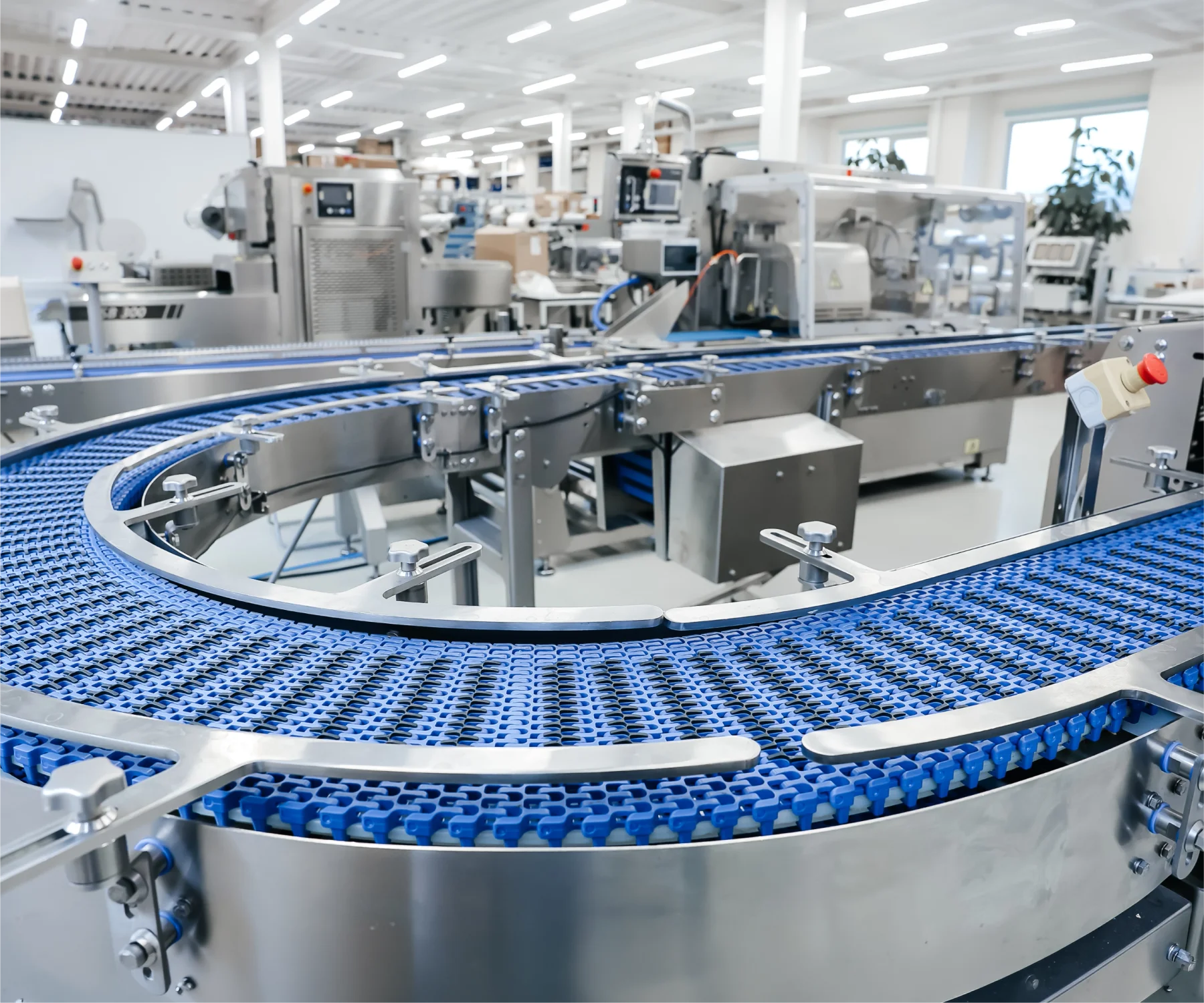
Production lines demand flexibility. Drives allow gradual start-stop sequences, reducing jerks and product damage. Understanding VFDs helps engineers design smarter conveyor systems. Here, Variable Frequency Drives improve throughput while maintaining mechanical longevity. The result? A smoother workflow and more predictable energy usage patterns.
Energy optimisation isn’t just about reducing speed. It’s about aligning motor performance with real demand. When industries adopt Variable Frequency Drive VFD solutions, they unlock measurable improvements in efficiency. In practice, energy efficiency offered by VFDs becomes a strategic advantage rather than just a technical benefit.
Motors rarely need full capacity. Drives adjust speed proportionally, ensuring energy efficiency during partial load conditions. In centrifugal fans and pumps, power consumption reduces approximately with the cube of speed, making even modest speed reductions highly effective.
This is where a VFD proves its value. Engineers installing them often observe immediate reductions in power demand.
Traditional starters cause sudden current spikes. Drives enable gradual acceleration, minimising electrical and mechanical stress. During Variable Frequency Drive working, the current draw remains controlled. This reduces failures and extends equipment life. Many manufacturers analysing the applications of VFDs find maintenance savings almost as significant as energy savings.
Efficiency isn’t only about kilowatt-hours. Drives improve process precision too. For example, speed synchronization in packaging lines enhances consistency. In such environments, VFD systems deliver both productivity and energy efficiency improvements. Over time, the investment in a VFD translates into higher output with lower operational costs.
Modern factories are becoming connected ecosystems. Drives integrate with PLCs and automation networks seamlessly. This advanced level of VFD’s working enables predictive maintenance and performance analytics. As industries explore the application of VFDs within smart manufacturing frameworks, drives are evolving from simple controllers into intelligent energy management tools.
Also Read: How AC Drives Help in Energy Savings and Cost Reduction
Industrial motor control is quietly undergoing a transformation. Drives are no longer optional upgrades. They are foundational efficiency tools. Whether improving speed control, reducing wear, or enhancing overall system intelligence, the impact is tangible.
Lauritz Knudsen Electrical & Automation offers a complete xD Series AC Drive (VFD) portfolio designed for industrial motor control, energy optimisation and automation integration. These drives are engineered to improve operational efficiency and reliability across sectors like HVAC, water treatment, manufacturing and process industries.
Choose performance. Choose reliability. Buy high-quality VFD solutions from Lauritz Knudsen Electrical & Automation and move towards smarter, more efficient industrial operations.
Industries with variable load processes like HVAC, water treatment, manufacturing, and material handling see the biggest energy and maintenance benefits.
Incorrect parameter settings or poor installation can cause harmonics or overheating, which is why professional commissioning is recommended.
Yes. Periodic inspection of cooling systems, capacitors, and connections ensures reliable performance and longer drive lifespan.
Absolutely. Many facilities modernize legacy motor systems by adding drives, improving efficiency without replacing entire equipment setups.
Payback periods typically range from 6 months to 2 years, depending on load profile, operating hours, and energy tariffs.
Assistance Required?
Select an option to Contact Us

 Contact Us

